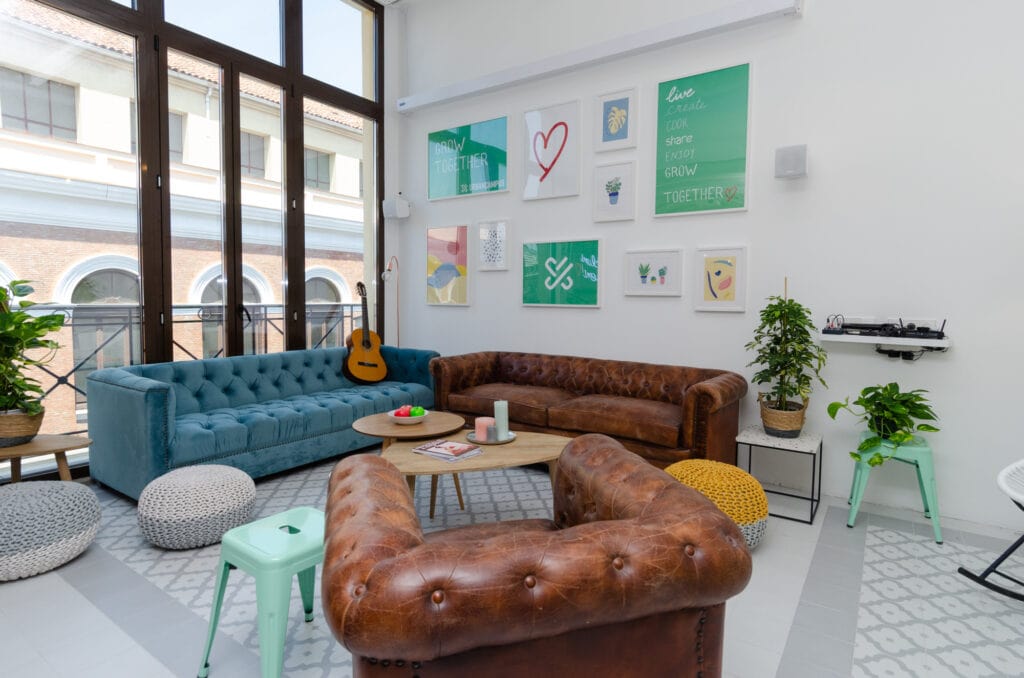
OK Diario has named Urban Campus as one of the Coliving Key Players in Spain. Read the whole article in Spanish aquí, or keep reading the translation in English below.

Urban Campus, Inédit and Projects share the ‘coliving’ market in Madrid and Barcelona

2020 will be a year of growth for ?coliving?, a type of accommodation that consists of renting a private area (studio) in a property that also enables access to shared spaces and additional services.

Although the current offer is still very small in Spain, experts predict that ?coliving? will soon become the future of the real estate sector. Coliving will grow thanks to the high profitability offered to the owner – between 15% and 20% – and demographic trends.

The three companies that dominate this market in Madrid and Barcelona are Urban Campus, Inédit and Projets.

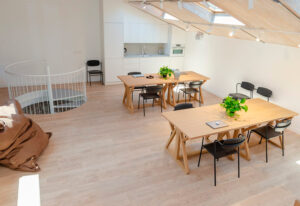
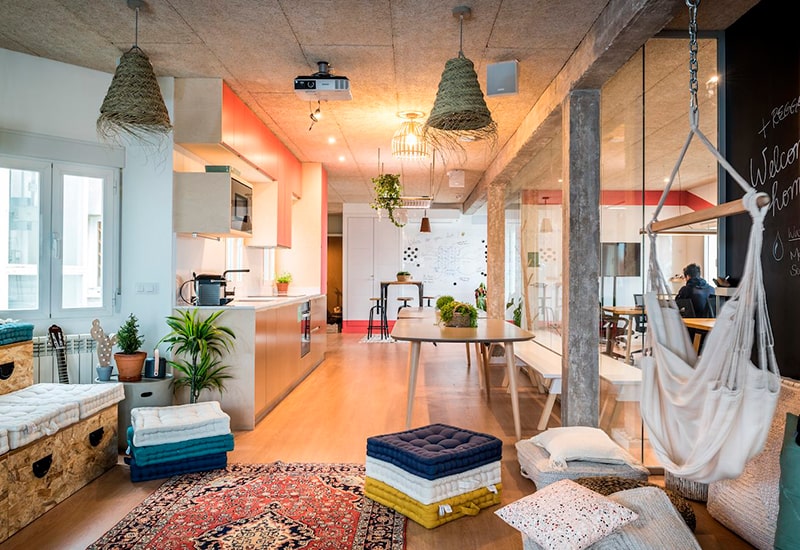
The French company Urban Campus was one of the first to land in the Spanish market. It has 120 single beds spread over two buildings in Madrid. They also design and operate two coworking spaces and a Foodlab (coworking space for gastronomic entrepreneurship with professional kitchen) in Spain’s capital.

The other big market operator is Inèdit, with 21 flats in Barcelona, ??a total of 113 rooms. (113 individual places). The Spanish company expects that in 2021 80% of companies dedicated to the sector will have an average of 250 beds. It also predicts that these types of properties will grow up to 40% by the middle of next year. Why is coliving becoming so popular? According to Inèdit, it’s due to the high profitability that it offers to investors and due to the increase of young professionals that move to Spain’s biggest cities every year.

Coliving spaces are mainly aimed at young professionals who want to live in a community, share experiences and who, generally, look to stay for periods that do not exceed 12 months. The average price of this type of accommodation is 900 euros per month.

Projets is one of the best-known operators in Europe. They operate in cities where the concept of ?coliving? is already well established, like Amsterdam or London. The German company has been operating in Madrid since April 2019 and has 25 rooms located in the district of Tetuan. The company expects to add 1,000 new homes throughout the world in 2020.

Lack of solid legal framework

However one of the problems faced by this new business model, that’s affecting its development rate, is legislation. There is no specific coliving planning regulation: «Hotel or tourist apartment regulations do not adapt to this product. The absence of a solid legal framework causes a delay in its development, despite the enormous interest that has aroused both among users and investors” according to real estate consultant Savills Newman. The consultant believes that the new business model will also be another attraction factor to capture and retain talent in the labor market.
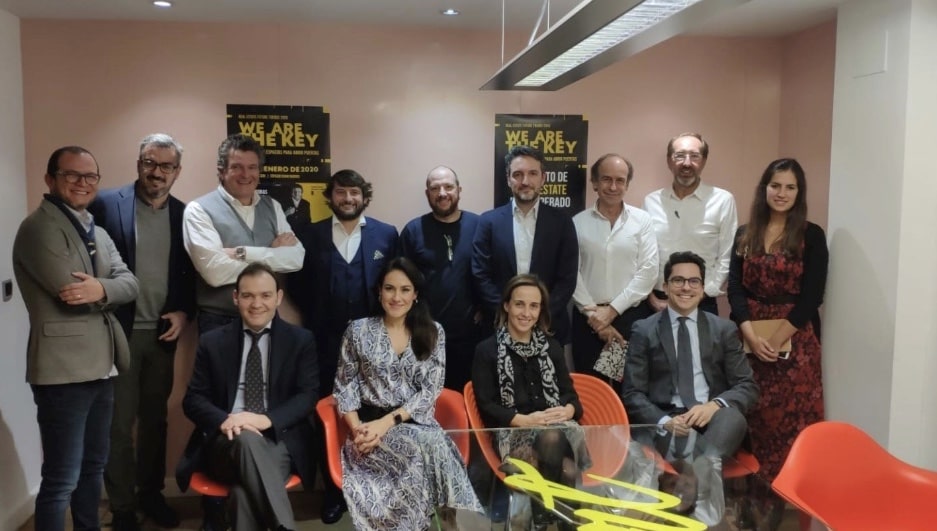
Urban Campus en la Conferencia «Real Estate Future Trends 2020: We are the Key» 

El pasado jueves 23 de enero, Urban Campus estuvo presente como colaborador y ponente en la última edición de «Smart Conversations», que tuvo lugar en el Colegio Oficial de Arquitectos de Madrid, evento que organiza desde 2006 el Grupo 3G Smart.

«Tendencias del futuro inmobiliario 2020: Nosotros somos la clave» fue una jornada informativa y sin ánimo de lucro con el objetivo de analizar las últimas tendencias en la transformación de los espacios residenciales, comerciales y educativos.

Esta iniciativa nace con la necesidad de alinear a grandes empresas, corporaciones y líderes de la transformación tecnológica. Durante la jornada tuvieron lugar diferentes mesas redondas para debatir las dificultades a las que se enfrentan los grandes actores de cada ámbito. El objetivo era construir conjuntamente un camino para resolver los problemas identificados.

Urban Campus at the "Real Estate Future Trends 2020: We are the Key" Conference

Participando en una mesa redonda sobre modelos residenciales alternativos, estuvo la Directora de Operaciones de Urban Campus, Ana Martínez de Lizarrondo. Gracias a la experiencia pionera de Urban Campus en la explotación de 2 residencias coliving en Madrid, Ana pudo compartir su experiencia, ayudando a aportar un punto de vista diferente, para ayudar a resolver algunas de las cuestiones que preocupan a los profesionales del sector.

A continuación os dejamos un fragmento de su comparecencia, donde Ana responde a algunas preguntas sobre nuestros espacios, cómo impactan en los barrios en los que se ubican, cómo de accesible es el coliving…

Elix VRS signs an agreement with Urban Campus

Eje Prime has written about ELIX VRS’s acquisition of 2 coliving residences managed by Urban Campus.

This acquisition demonstrates the attractiveness of Urban Campus to institutional investors, which is a pillar of our development in Spain and elsewhere in Europe.

You can read the whole article in Spanish aquí o seguir leyendo en inglés.

Elix VRS joins forces with Urban Campus to enter the ‘coliving’ market.

The latest acquisitions made by the SIIC in Madrid, who is managed by the investment funds KKR and Altamar, will be operated by Urban Campus, a company specialising in the management of shared residential spaces.

Both companies will collaborate on the management of two properties purchased by the SIIC. The first, announced on January 9, includes two buildings located around Plaza de España in the capital, which Elix VRS acquired for 5.6 million euros and 5.2 million euros respectively. Both properties have undergone an extensive refurbishment, and have a common area of ??3,184 square meters, in addition to commercial and parking spaces. The operation was financed with the company’s own resources, according to a statement sent to the Alternative Stock Market (MAB).

«Urban Campus was already operating the properties purchased by the SIIC.»

On January 16, the SIIC announced the purchase of another property for 12.4 million euros. The asset is located on Mellado Street, and was the first coliving residential center opened and operated by Urban Campus, in Spain. The building has a built area of ??3,360 square meters and its acquisition was financed through the company’s own funds and a loan, with a real estate guarantee of 7.4 million euros. It also has four commercial premises. So far Urban Campus has 110 beds available in two coliving spaces which in total comprehend more than 5,000 square meters. In addition, it also operates two áreas de coworking y una foodlab in the Spanish capital.

Elix VRS signs an agreement with Urban CampusElix VRS signs an agreement with Urban CampusElix VRS signs an agreement with Urban Campus

«Urban Campus expects to invest up to 200 million euros in the Spanish market by 2025.»

As previously shared by Eje Prime, the French company plans to operate investments between 150 million and 200 million euros in the next five years. The company plans to open ten new centers in the main cities of Spain that would add some 2,000 beds.

Movistar Plus sobre nuevas formas de vivir

Iñaki Gabilondo, el conocido reportero español vuelve a Movistar plus # 0 con la quinta temporada de «Cuando me vaya». Un programa de televisión muy interesante que se plantea la pregunta, ¿cómo será el mundo dentro de 25 años?

En esta temporada, además de entrevistar a grandes expertos nacionales e internacionales, fomentará el debate a través de preguntas anónimas planteadas por el público.

Se calcula que en 2050 vivirán 10.000 millones de habitantes en el mundo, esto afectará a la arquitectura, sólo será necesario construir cuatro veces más de lo que se construye. Para entender mejor el contraste entre el mundo que llega y el que se destruye, en este capítulo dirigiremos nuestra mirada a un grupo de personas anónimas que se dedican a buscar nuevos modelos de Convivencia, otros tipos de vínculos vecinales o espacios para compartir experiencias profesionales.

En este episodio, Iñaki visita el Urban Campus Malasaña Coliving para hablar de nuevas formas de vivir, y entrevista a una de nuestras residentes Teresa, en el marco de una mesa redonda con otros game-changers y emprendedores.

Estamos muy contentos de haber acogido a Movistar Plus y su innovador programa, y de seguir contribuyendo a cambiar la forma de vivir en las ciudades.

Entrevista a Urban Campus en el programa «Mundo Emprende» de esRadio

Nuestra Directora de Operaciones y nuestra Directora de Marketing, Ana Martínez de Lizarrondo y Marta Torres Vilas, fueron entrevistadas en el programa «Mundo Emprende», de esRadio.

Mundo Emprende es un programa de radio español que tiene como objetivo promover y difundir la cultura y el emprendimiento en España, compartiendo consejos, ideas y pautas que todo emprendedor debe conocer. También entrevistan a actores clave de la escena emprendedora en España, y por eso Ana y Marta fueron invitadas a compartir la historia de Urban Campus, explicando lo que hacemos y nuestra misión de revolucionar la forma de vivir e interactuar en las ciudades a través de nuestros espacios coliving.

¿Tienes curiosidad por saber cómo fue? ¡Mira la entrevista completa de Urban Campus en «Mundo Emprende» esRadio!


Televisión Española, the Spanish national TV, came to visit our Mellado Madrid coliving space.

They interviewed two of our residents, and they got to discovered what coliving means, what our community is like and how it is to live at Urbanos Campus!

Watch Urban Campus residents on Televisión Española below!

Want to learn more about our residents? Check out our Community Stories!

Urban Campus residents on Televisión Española!

Daniel Alegrete Urban Campus Mellado Coliving

Eje Prime interview Urban Campus, our CEO John Van Oost explains about our expansion plans in Spain.

Interested? Read the translation of the article below or artículo completo en Español.

The French company, which has two coliving, two coworkings y una foodlab in Madrid, is “very interested” in Barcelona, ??is in negotiations to enter Valencia and Malaga and plans to reach Seville and Bilbao in the near future.

The company’s CEO John van Oost told EjePrime that the French company is making new & great movements in the Spanish coliving sector. Urban Campus will manage residences in Spain worth 150-200M ? on behalf of institutional investors, to develop coliving spaces in Spain in the next five years. The company plans to build at least ten new centres in the main cities of Spain, that would add some 2,000 beds. The CEO added, “we would like to invest more and we have the capacity to do so.” Van Oost assured that the company has “big plans” for Spain and that they are currently in negotiations “to acquire four or five assets” in Madrid.


URBAN-CAMPUS-MALASANA-COLIVING-02

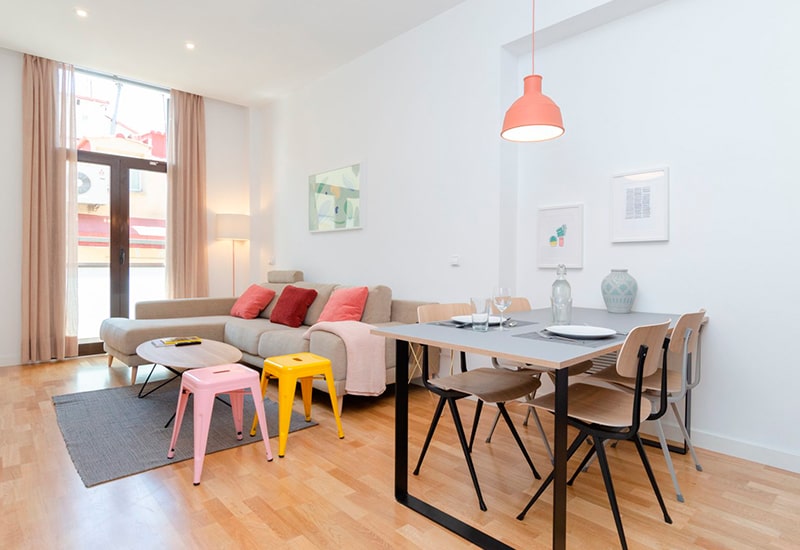
URBAN CAMPUS MALASAÑA MADRID COLIVING

He continued to explain that the company’s investors have a great interest in entering the Barcelona market and are ?very excited? to branch into the city. However, the Catalan capital has a “very complicated market” because of a decrease in prices caused by regulations that require dedicating 30% of new promotions to social housing, which has caused sellers to ” prefer to wait. ? In addition, he emphasises that the municipal regulations of Barcelona ?are very restrictive with coliving? and that the council led by Ada Colau do ?not understand what this housing solution is and how it works?. Continuing on this subject, the CEO repeated that coliving “is not tourist housing” and explained that the average age of their tenants is 32, with contracts usually lasting one year. In addition, he says that they receive ?200 requests a week?, many of which come ?from companies that want a space for their expatriate workers?.


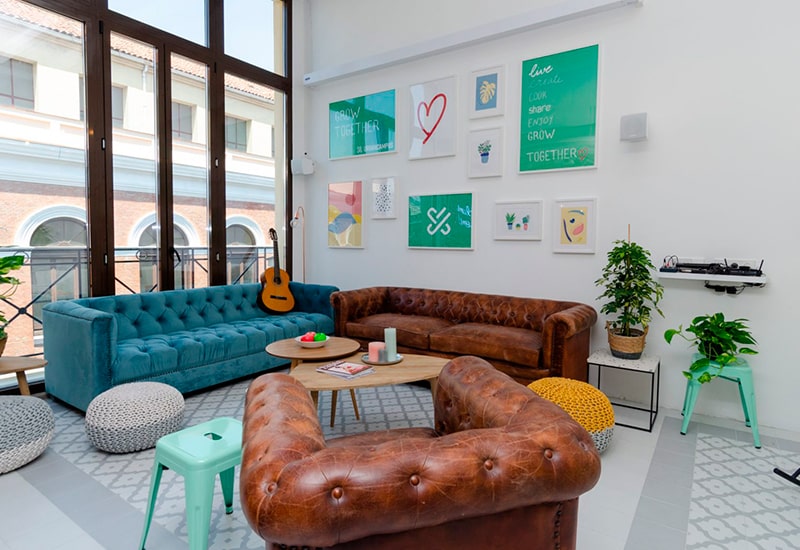
COLIVING-MADRID-MELLADO-COMMON AREA

URBAN CAMPUS MELLADO MADRID COLIVING

So far the company, which wants to reach thirty cities in Europe in the next five years, has five assets in Madrid which consist of two colivings, two coworkings y una foodlab, a space that Van Oost has defined as a coworking for the industry of food, complete with an industrial kitchen. In total, the company has 120 beds available in the two coliving spaces, which total more than 5,000 square meters, with the two flexible workspaces and the foodlab adding another 3,000 square meters. Urban Campus dedicates 80% of its assets to coliving. , and the rest to workspaces, all housed in new and completely renovated buildings.


“El Referente” a Spanish publication for entrepreneurs, wrote an article about Urban Campus’ Foodlab and how this new space is allowing gastronomic entrepreneurs to develop their projects in Madrid.

Read full article here in Spanish or find the translation below.

Foodlab is defined as a Coworking for gastronomic entrepreneurs, to help improve their productivity and launch their culinary projects, thanks to a supportive community.

Foodlab is the first project aimed at cuisine, developed by Urban Campus, the European startup, specialised in creating shared and collaborative coliving and coworking spaces.

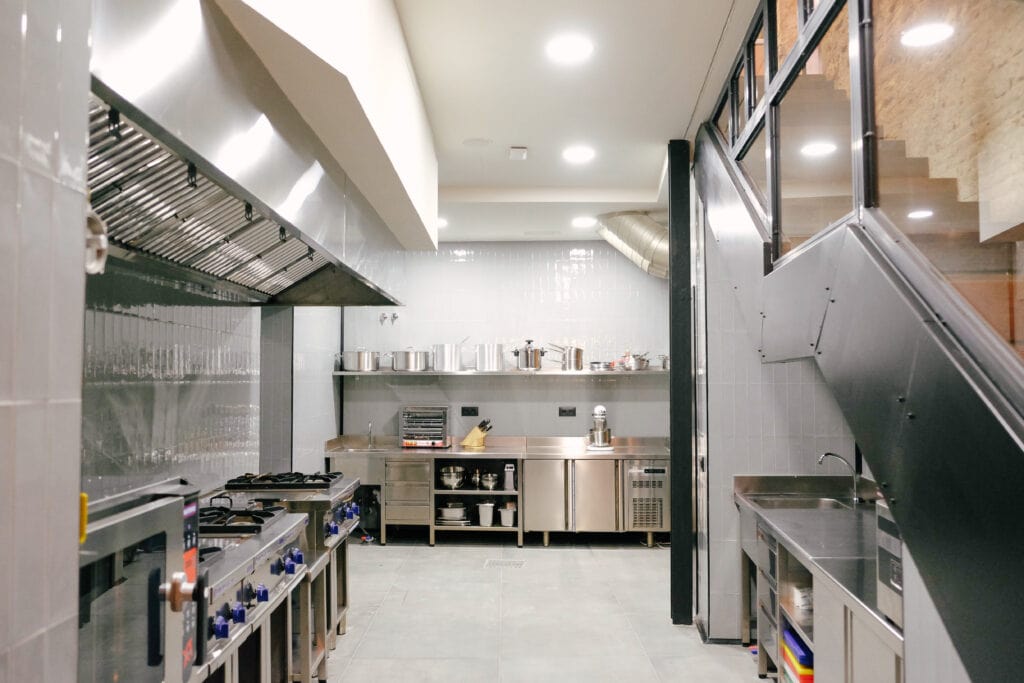
This new space is located in Madrid. In it entrepreneurs from the food industry can create, test and start-up their businesses, without the demand of a large economic investment to get things going. Located in the heart of the capital, Foodlab has spaces to carry out ?foodie? activities, such as ?show-cookings? and tastings, and host events that help shine a light on emerging businesses. In addition, many of the Foodlab members distribute their food daily through delivery platforms, as with its professional kitchen it’s the perfect environment to cook without investing huge amounts of money on opening a restaurant.


Foodlab Urban Campus Professional kitchen
Professional kitchen at Urban Campus Foodlab


Foodlab is defined as an infrastructure-level tool that improves entrepreneurial productivity because it allows members to have a coworking space and a fully equipped professional kitchen in one place, that can be booked for hours or days, adapted to the needs of each business. It also offers networking spaces where you can engage in conversation with other professionals in the sector.

Urban Campus currently has a community of more than 250 people who share ideas, resources, and contacts to launch or boost their businesses, depending on the phase in which it is in.

Read full article

Telefónica’s “Think Big” blog, interviewed Urban Campus to dive deeper into the rising phenomenon that is co-living and what we do here.

In the article ¨Coliving, or how to live and network without leaving your home ¨ Mar, from Telefónica, talks about us, the unique benefits we offer to our residents, and why they choose to live at our campuses.


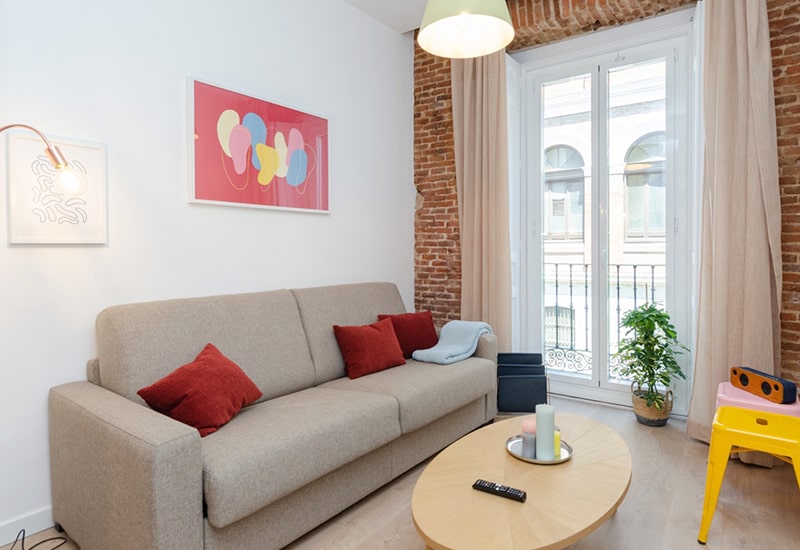
MALASAÑA MADRID COLIVING – APARTM

Interested about coliving and Urban Campus? You can find the full article here in Spanish or keep reading below in English.

?Coliving? or how to live, work and network without leaving your home

There are many definitions that try to explain coliving, a trend that has came to Europe directly from Silicon Valley and that is becoming a social and business phenomenon. Live, work, enjoy and network, all in one place. That is the philosophy of coliving and it has come to stay, responding to our ever evolving society. Spaces to live and work! Today’s generation wants to share, there’s no doubt about that! And to respond to that demand, the real estate market has come up with an answer: coliving. According to the data collected in the “II Observatory of Housing in Spain”, done by Century 21, 0.3% of people aged between 18 and 34 years old live in this type of accommodation in Spain. Whilst it is still a small figure, all signs indicate that it won’t stop growing in the incoming years, with companies realising the need in cities such as Madrid, Barcelona, ??Valencia or Malaga.

Urban Campus

One of them is Urban Campus, a company that made its appearance in the real estate market in 2016 and has opened five buildings in Madrid, which have impacted more than 600 peoples’ lives already! Their vision and goal? ?Respond to social changes by developing and operating campuses (buildings) centred on people?.

?Our mission is to change the way people live and interact in cities,? explains Marta Torres, Marketing Manager at Urban Campus, who reiterates how coliving is the answer to a real estate and societal scene that is outdated for today’s generation.

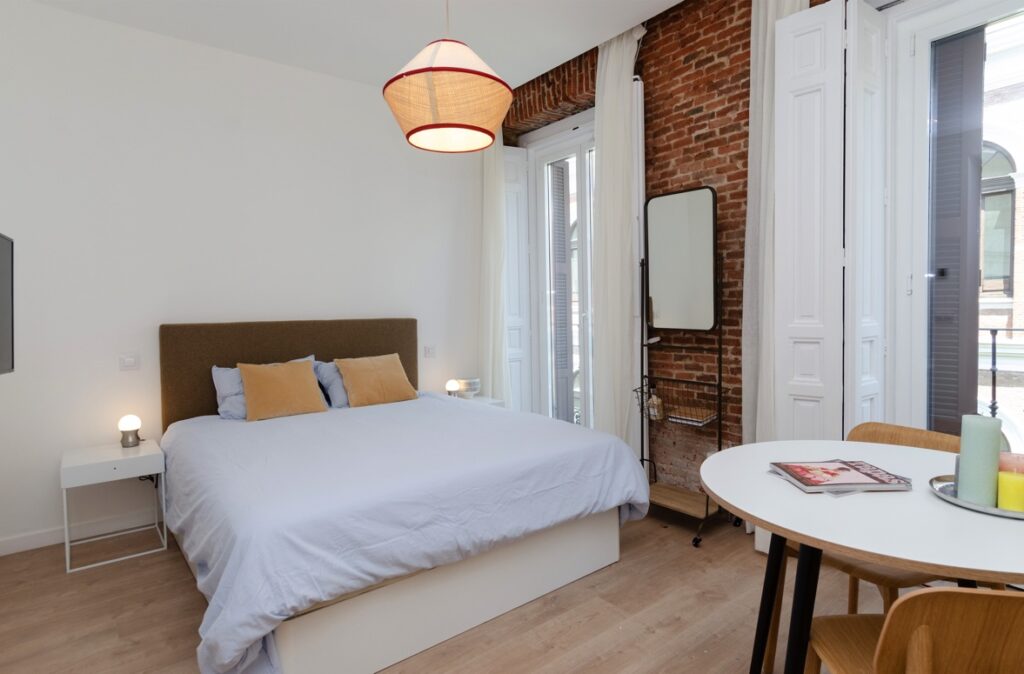
MALASANA-MADRID-COLIVING

MALASAÑA MADRID COLIVING

How coliving was born

Coliving originated in Silicon Valley where many young professionals, who wanted to make connections that would help them in their personal and professional growth, struggled to find affordable housing. In Spain, especially in large cities such as Madrid and Barcelona, ??this is also happening, and it is increasingly difficult to meet this current housing demand. ?We live in buildings designed 60 or 70 years ago, and the real estate offer does not reflect the current way of living,? says Marta Torres. “It is very difficult for young people to become independent or to find the type of housing that really meets their needs at a price that they can afford, whilst having a little flexibility in their lease contracts ,” she continues.

Exorbitant prices, enormous buildings with wasted spaces and lease contracts that are too strict are encouraging coliving. But these are not the only reasons. Offers of rooms, studios or apartments with all bills included (electricity, water, WiFi), shared spaces to create communities, gyms, barbecues, entertainment rooms, cooking classes, yoga, concerts and more, all included for a price that starts at 700 euros per month.

The coliving formula is easy: share a building, your free time, interests and, why not, professional challenges. ?The profile of people who are interested in this way of life are young professionals between 30 and 40 years old, who want privacy, but also to belong to a community of people with similar interests and ambitions, in which it is possible for them to expand their network and achieve their goals, personal or professional, ?explains Marta Torres.

Some are entrepreneurs looking for synergies when setting up their startup. Others share a passion or have just arrived in Madrid and seek to share experiences with other people, without giving up comfort and flexibility, both of which we offer. “We do not ask for pay slips or guarantors and allow a minimum stay of one month that, of course, can be extended,” she adds. This alternative attracts more and more young entrepreneurs who see how, in addition to a place to live which is flexible and their own work space, they have a community where they can find other professionals or entrepreneurs, with whom to share ideas and make partnerships.


Urban Campus Coliving Malasaña

COLIVING MALASAÑA


Geographical mobility

?Many of our residents have helped or participated in each other’s projects. Some have even found a job thanks to being a part of our community. ? “All our members have access to our five buildings in Madrid, being able to attend all networking events with people living and working in our buildings.”

This option goes beyond an economic point of view (not having to pay rent for your home, plus that of an office). Coliving is a formula that responds to several needs such as geographical mobility without ties, networking, community, common interests, professional and work opportunities and leisure, “all in one solution”.

“In the last 3 years we have opened five spaces in Spain (2 coworkings, 2 colivings and a foodlab, a space for gastronomic entrepreneurs) and we have more than 30 projects in the pipeline, for the next five years in Europe,” said the head of Marketing at Urban Campus.


Maxime Depreux se incorpora a Urban Campus, operador líder de residencias de convivencia en Europa, fundado en 2016 por John van Oost y Maxime Armand, para apoyar los ambiciosos planes de crecimiento de la empresa.

Maxime se incorporará a Urban Campus tras 10 años en Hammerson, donde es Chief Operating Officer – Premium Outlets, a cargo de la cartera europea de outlets del grupo Hammerson.

Maxime aportará su experiencia en el desarrollo de negocios a Urban Campus con el fin de ampliar sus operaciones en toda Europa, y lanzar vehículos de inversión institucionales dedicados a las oportunidades en el espacio residencial gestionado contemporáneo en el que opera la empresa.

Estoy encantado con la oportunidad de unirme al talentoso y apasionado equipo de Urban Campus. Urban Campus tiene una fuerte visión y estrategia organizada en torno a los 3 pilares de los bienes raíces, la comunidad, el contenido y la tecnología; y estoy deseando ayudar a la empresa a transformar la industria inmobiliaria residencial», dice Maxime Depreux, ex alumno de HEC París.

Urban Campus ha desarrollado con éxito y gestiona actualmente 5 espacios en Madrid con 110 habitaciones y 200 puestos de trabajo, abrirá 30 residencias en Europa en un plazo de cinco años, y considera Francia como uno de los mercados clave para su desarrollo, con la apertura prevista de tres residencias en París, Pantin e Ivry en los próximos meses.


Urban Campus fue fundado por John van Oost y Maxime Armand a raíz de la observación de la evolución de los estilos de vida urbanos y la falta de reactividad del mercado inmobiliario respecto a estos cambios.

En París, por ejemplo, el 70% de los hogares están compuestos por una sola persona o una pareja sin hijos, lo que crea nuevas necesidades en materia de vivienda y estilo de vida, incluida la búsqueda de lugares adecuados para vivir en comunidad, para evitar la soledad.

Las residencias Urban Campus, cuya superficie oscila entre los 4.000 y los 8.000 m², están diseñadas a partir de los resultados obtenidos mediante estudios y observaciones económicas y sociológicas, y ofrecen espacios de vida cuyo modelo se basa en cuatro elementos fundamentales

Un servicio integral para los residentes
Una rica vida comunitaria animada por promotores comunitarios, que actúan como facilitadores dentro de cada residencia
Una decoración cálida e íntima
Soluciones tecnológicas desarrolladas internamente

Urban Campus se basa en un modelo sólido y se apoya en socios que disponen de un parque de viviendas existente y que consideran el co-living como una clase de activos prometedores. Urban Campus no teme instalarse en zonas urbanas en desarrollo o en edificios originalmente no residenciales; el criterio esencial es la proximidad de la zona comercial y del transporte público.

El modelo de Urban Campus se basa en las nuevas necesidades residenciales claramente identificadas en las zonas urbanas:

Un sistema flexible y de fácil acceso
Una verdadera identidad comunitaria dentro de la residencia
Un estilo de vida equilibrado
Desarrollo personal y profesional

El gran éxito de las residencias Urban Campus en Madrid, con un 95% de residentes que recomiendan el concepto a sus amigos y un 35% que prolonga su estancia, es la prueba de que Urban Campus cuenta con todos los activos para consolidar su presencia en el segmento inmobiliario residencial.

Con nuestros vibrantes campus en Madrid y una sólida cartera de proyectos con los principales inversores inmobiliarios, hemos demostrado el éxito de nuestro modelo de negocio. Maxime ayudará a Urban Campus a desarrollarse más rápidamente y a entrar en nuevos mercados», afirma John van Oost, cofundador y consejero delegado de Urban Campus.

Urban Campus

Fundada en 2016 por John van Oost y Maxime Armand, Urban Campus redefine las reglas de la vivienda residencial en las principales ciudades europeas ofreciendo espacios de co-living, co-working y comunidad adaptados a los nuevos estilos de vida.

Acerca de John van Oost ? Cofundador y CEO
John van Oost posee 30 años de experiencia en el sector inmobiliario y de capital riesgo.

Ha sido fundador y socio director de:


John


  • Fluxus Ventures, una empresa de capital riesgo con sede en Palo Alto, que respalda a las empresas de tecnología inmobiliaria.
  • Captiva Capital Management, que recaudó más de 3.800 millones de euros de capital de inversores institucionales globales para incubar y financiar 9 plataformas inmobiliarias en 4 países europeos y Singapur. Estas plataformas adquirieron y gestionaron más de 1.800 propiedades por valor de más de 13.200 millones de euros.
  • Alstria Office AG, el mayor REIT alemán con 116 edificios de oficinas y una capitalización de mercado de 2.600 millones de euros.

Licenciado en Economía y MBA por la KU Leuven. Máster en Ciencias e Ingeniería de los Materiales por la Universidad de Stanford

Acerca de Maxime Armand Cofundador y Director de Operaciones
Maxime Armand tiene un máster en ingeniería informática por el Instituto Mines-Télécom y un máster en ingeniería de servicios urbanos por Sciences-Po.

Ha pasado la mayor parte de su carrera desarrollando productos digitales en empresas como:


  • Fabernovel, como Lead Project Manager, empresa líder en innovación digital con 400 empleados en 5 países. Diseña nuevos productos y servicios digitales para empresas del CAC 40. Entre otros proyectos, Maxime ha desarrollado una oferta de coworking «a la carta» totalmente automatizada para Alstria Office REIT, ha creado prototipos de objetos conectados para L’Oreal,…
    Ingeniero de sistemas para Ecomouv, solución de georreferenciación para el peaje de tránsito de vehículos buenos francés, la ecotasa para vehículos pesados.

Comunicado de prensa en francés

Comunicado de prensa «Maxime Depreux se incorpora a Urban Campus» en español