Nestled along Spain’s breathtaking eastern coastline, Valencia is the place for beach lovers worldwide. With its unique blend of urban accessibility and untouched natural landscapes, the Valencian Community offers some of the most diverse and inviting beaches in the Iberian Peninsula. 

Whether you’re a city dweller or a nature enthusiast, Valencia has a spot in the sun just for you. Let’s dive into the best beaches in Valencia, highlighting 15 must-visit beaches that promise unforgettable seaside leisure.


What is the most beautiful beach in Valencia?
Let’s hit the beach! The 15 Best Beaches in Valencia, Spain 6

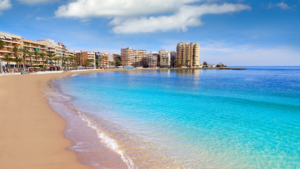
In the heart of Valencia, La Malvarrosa Beach stands out for its golden sands and vibrant cityscape backdrop. This beach is a favorite among both locals and tourists. Meanwhile, in the Valencian Community at large, Cala Ambolo near Jávea offers a more secluded and natural setting. This area has stunning turquoise waters and serene surroundings, capturing the essence of the region’s coastal beauty.


Best beaches in Valencia: Near the City Center
Let’s hit the beach! The 15 Best Beaches in Valencia, Spain 7

  • La Malvarrosa Beach: The quintessential Valencia experience, offering wide sandy stretches perfect for long strolls. Here you’ll also find plenty of restaurants to have seaside paella.
  • El Cabanyal (Las Arenas) Beach: Next to La Malvarrosa, this beach features a more relaxed vibe and can be less crowded. 
  • Patacona Beach: Slightly removed from the city’s bustle, Patacona is perfect for a chill beach day with picturesque cafes and restaurants nearby. Plus, it has a stunning pink and blue sunset. 
  • El Saler Beach: Situated within the Albufera Natural Park, this beach has a more rugged natural beauty. It is located just a short drive from the city.
  • Port Saplaya Beach: Known as “Little Venice,” Port Saplaya’s colorful houses and calm waters offer a charming beach experience close to the city.


Best beaches in Valencia: Beyond the City Limits
Let’s hit the beach! The 15 Best Beaches in Valencia, Spain

  • Gandia Beach: With its soft sand and clear waters, Gandia is a family-friendly beach great for beach sports and activities.
  • Oliva Beach: Renowned for its natural dunes and pristine conditions, ideal for a peaceful day by the Mediterranean.
  • Daimús Beach: A quieter alternative for those looking to escape the crowds, offering serene landscapes and a relaxed atmosphere.
  • Xeraco Beach: Appreciated for its unspoiled beauty and mountainous backdrop, with vast stretches of soft sand.
  • Cullera Beach: This beach has a beautiful boardwalk and nearby historical landmarks, plus sparkling water perfect for swimming. 
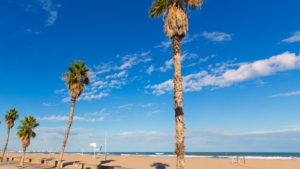
  • Canet d’En Berenguer Beach: Featuring over a kilometer of fine, golden sand, it’s known for its extensive space, clear waters and sky-high palm trees. 
  • Les Palmeretes Beach: A serene spot for those seeking tranquility and a touch of local life away from the tourist trails.
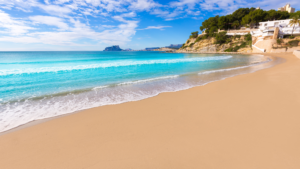
  • Cala Ambolo: For those willing to venture further, this is an incredible small, secluded cove. The beach offers breathtaking views and is surrounded by small, jagged cliffs. 
  • Playa de Almardá: Adjacent to Canet, this beach is less crowded, offering a peaceful retreat with untouched natural scenery. 
  • Playa de Piles: Known for its relaxed atmosphere and clean, wide beaches, Piles is an excellent choice for a laid-back day by the sea. 


Are Valencia beaches good for swimming?
Let’s hit the beach! The 15 Best Beaches in Valencia, Spain 1

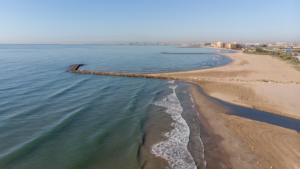
Absolutely! Valencia’s beaches are renowned for their peaceful and calm waters, making them ideal for swimmers of all levels. The clarity and cleanliness of the water make for perfect swimming conditions. Many Valencia beaches also boast the Blue Flag status for water quality and safety.


What is the best coastal town near Valencia?
Let’s hit the beach! The 15 Best Beaches in Valencia, Spain 3

Cullera

This town stands out as a jewel among coastal towns near Valencia. It offers a perfect blend of beautiful beaches, historical sites, and natural beauty, all wrapped in the charm of Valencian culture. With its epic mountains and the majestic Cullera Castle overlooking the Mediterranean, this town seems to capture the heart of everyone who visits.

Altea

Altea is a scenic town known for its white-washed houses, cobblestone streets, and breathtaking sea views. Less than two hours from Valencia, the small town is particularly known for its striking architecture, artisan shops, and promenade lined with cafes and restaurants. Altea’s beaches, like Playa de la Roda, offer crystal-clear waters and rocky shores. It is the perfect place for those seeking peaceful nature and authenticity.

Peñíscola

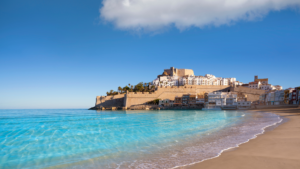
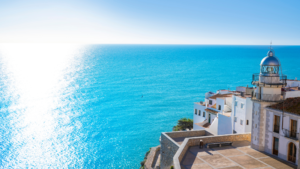
Often referred to as the “Gibraltar of Valencia,” Peñíscola is an absolute gem along the coast. This historic town is crowned by a Templar castle, once the residence of Pope Benedict XIII, which sits dramatically on a rocky headland. The beaches here, such as Playa Norte, are expansive and family-friendly, offering a wide range of facilities and a gorgeous setting against the backdrop of the old town.


Do you have to pay for beaches in Valencia?

One of the great joys of Valencia is that all its beaches are public and free to access. While the beaches themselves are open to everyone at no cost, certain amenities such as sun loungers, parasols, and water sports equipment can be rented for a fee. However, bringing your own beach gear is perfectly acceptable and pretty common among locals and visitors alike.


Making the Most of Valencia’s Seaside Splendor
Let’s hit the beach! The 15 Best Beaches in Valencia, Spain 2

Beyond the sunbathing and swimming, Valencia’s beaches are a gateway to a vibrant coastal lifestyle, filled with historical wonders, culinary delights, and festive traditions. Engage with the local community, savor the fresh seafood, and immerse yourself in the festive atmosphere that makes Valencia such a beloved destination.

Don’t Forget to Try Valencian Paella!

In the heart of Valencia’s coastal lifestyle lies its most iconic dish: Paella. Born from the hands of local farmers and fishermen, traditional Valencian Paella is a testament to the region’s rich culinary heritage. Valencian Paella combines white rice, green beans, and various meats like rabbit and chicken and is traditionally cooked in a large, flat pan over an open fire.

Today, Paella is more than a meal; it’s a cultural symbol and community experience. The authenticity of Valencian Paella lies in its simplicity and the use of local ingredients, making it a unique and unmissable experience for visitors. It’s an experience that goes beyond gastronomy, encapsulating the spirit of Valencia in every savory spoonful.

Need a place to live in Valencia? 

Check out our Urban Campus coliving spaces: 

Want to read more about Valencia? 


Photo Credits: 

  • All photos used through Canva Free Media License
March 1, 2024

Read the full article HERE.

  • The 2024 finance law in France signifies a paradigm shift by focusing on affordable housing, creating a legislative framework that benefits both citizens and investors while fostering social inclusion.
  • Urban Campus is actively involved in shaping policies to ensure access to affordable and sustainable housing, offering services and rentals at fixed prices.
  • The French initiative could serve as a model for Spain, suggesting a collaboration between the public and private sectors to solve the housing crisis.


Progress in the Affordable Housing Sector in France

The future of urban living and affordable housing

Ana Martínez, the Chief Operations Officer for Iberia at Urban Campus, discusses the impact of the new housing law in France, highlighting how this legislation brings significant changes to the sector by emphasizing affordable housing and social inclusion. The law benefits not just French citizens but also investors committed to the affordable housing sector.

Urban Campus plays a significant role in this transformation, working with lawmakers to develop policies that not only facilitate housing access but also promote sustainability. By adopting an approach focused on shared economy, Urban Campus is redefining the concept of urban community through projects that offer included services such as Wi-Fi, gyms, and coworking areas. These are also part of their “Build to Rent” schemes, located in places such as Colombes and Le Bourget.


Affordable Housing in Spain

The future of urban living and affordable housing

This approach contrasts with the situation in Spain, where despite efforts, there is still room for improvement in collaboration between the public and private sectors to address the housing crisis. The French legislation could inspire new legislation in Spain, promoting a collaborative model that benefits all involved parties.

Urban Campus’s strategy, aligned with ESG principles, proposes eco-friendly buildings and housing that not only meet current needs but also set a standard for the future of urban housing. This combined with their sharp insight towards the ever-changing needs of urban dwellers is marking a new paradigm in the European real estate sector.

Want to read more about Urban Campus? 

Located in the Hauts-de-France region, Lille stands out for its impressive culture and history. Beyond the famous cities like Paris and Brussels, there are a wealth of options for day trips from Lille. 

If you’re exploring Lille and crave more adventure and discovery, numerous unique spots await you – and they’re only a train ride away! Let’s dive in and discover these lesser-known day trips from Lille, France.


Dunkerque, France

Discover the Best Day Trips from Lille, France

Dunkerque, a coastal gem in the north of France, offers visitors a mix of scenic beauty and poignant history. Known for the dramatic WWII evacuation, its historical sites such as the Dunkirk War Museum and the Dunkirk Memorial provide deep insights into the town’s past. 

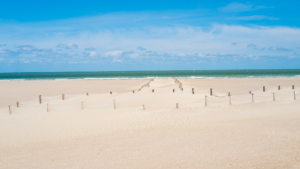
Besides history, Dunkerque has long sandy beaches and one of France’s largest harbors. Art lovers can explore Dunkirk’s Fine Arts Museum and Lieu d’Art et Action Contemporaine, while the UNESCO-listed Dunkirk Belfry stands as a testament to Flemish cultural heritage. Don’t forget to have a taste of the local seafood, a highlight of the region’s delicious cuisine.

Lille to Dunkerque: Transportation Options 

Train:

  • Duration: 30 min – 1h15.
  • Cost: Starts at €22.
  • Frequency: Regular services from Lille Flandres to Dunkerque station.

Bus:

  • Duration: About 1h10.
  • Cost: Around €7.
  • Departures: Multiple daily from central Lille to Dunkerque bus station.

Car:

  • Duration: Around 1h15.
  • Route: 79 km via A25.


Arras, France

Discover the Best Day Trips from Lille, France

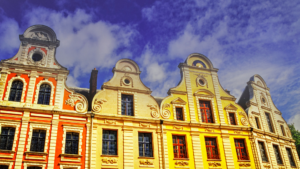
Arras, the historical heart of the Hauts-de-France region, mesmerizes visitors with its Flemish-style baroque townhouses encircling the Grand Place. The UNESCO-listed Belfry of Arras not only offers panoramic views but also symbolizes the city’s rich history. 

You can dive into Arras’ history with an underground tour of the Boves, a series of tunnels used by soldiers during World War I. Arras embodies a perfect blend of architectural beauty and historical depth, complemented by local markets that showcase the region’s flavors. Cultural events and music festivals frequently bring the city to life, adding to its charm.

Lille to Arras: Transportation Options

Train:

  • Duration: Around 35 minutes.
  • Cost: Starts at about €5.
  • Frequency: Regular daily services from Lille Flandres or Lille Europe to Arras.

Car:

  • Route: Mainly via A1 motorway.
  • Duration: Roughly 1 hour and 20 minutes.

What Belgian cities are near Lille? 

Lille’s proximity to Belgium allows for easy access to cities like Bruges, Ghent, Brussels, and Antwerp. These destinations offer distinct experiences from medieval architecture to bustling markets. Accessible by train or car, they provide straightforward options for day trips from Lille, enhancing the travel experience with varied cultural and historical insights.


Bruges, Belgium

Discover the Best Day Trips from Lille, France

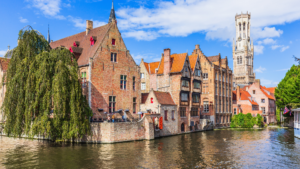
Bruges stands out as a must-visit, with its nickname “Venice of the North” alluding to its picturesque canals and well-preserved medieval architecture. Wander through its cobblestone streets, marvel at the Belfry of Bruges, and indulge in the city’s famous chocolate. Bruges offers a memorable visit with its stunning historical buildings and market square, ensuring an unforgettable day trip.

Lille to Bruges: Transportation Options 

Train:

  • Duration: Approximately 1 hour and 30 minutes.
  • Cost: Starts at around €15, varying by booking time and specific route.
  • Frequency: Multiple departures throughout the day from Lille Europe or Lille Flandres.

Bus:

  • Duration: Around 1 hour, depending on the route and traffic.
  • Cost: Approximately €6, subject to booking time and availability.
  • Frequency: Several services daily provided by companies like Flixbus. 

Car:

  • Route: Typically via A22/E17 and E403.
  • Duration: About 1 hour, traffic-dependent.


Ghent, Belgium

Discover the Best Day Trips from Lille, France

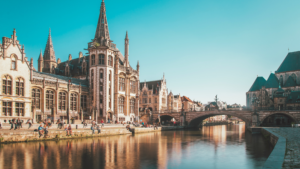
Ghent, a lively city known for its medieval architecture and cultural vibrancy, is another excellent destination for train trips from Lille. You can explore its historic streets, canals, and the unique Werrengarenstraat graffiti street. Visiting Ghent offers a mix of old-world charm and lively cultural scenes, showcasing the best of Belgium.

Lille to Ghent: Transportation Options 

Train:

  • Duration: Around 1 hour and 15 minutes.
  • Cost: Starting from approximately €14, depending on booking time and train type.
  • Frequency: Regular services throughout the day from Lille Flandres to Ghent St Pieters station.

Bus:

  • Duration: About 55 minutes, varying with traffic conditions.
  • Cost: Roughly €5, can vary based on time of booking and demand.
  • Frequency: Several departures per day with companies like Flixbus.

Car:

  • Route: Direct route via E17.
  • Duration: Approximately 1 hour, depending on traffic.


Paris to Lille Day Trip

Discover the Best Day Trips from Lille, France

Day trips from Lille to Paris are a classic choice for many travelers. As one of the most visited cities globally, Paris’s allure is undeniable. While we encourage exploring less-traveled places near Lille, overlooking the City of Light would be an oversight. A quick train ride from Lille offers a perfect opportunity to immerse yourself in Paris’s iconic landmarks and one-of-a-kind metropolitan charm. 

Paris dazzles with its array of famous attractions; the Eiffel Tower, Louvre Museum, and Notre-Dame Cathedral are just the beginning. Strolling along the Seine, exploring the artistic Montmartre, or enjoying the Luxembourg gardens all offer a glimpse into the heart of French culture and history. 

Lille to Paris: Transportation Options 

High-speed Train (TGV or Eurostar):

  • Duration: 1 hour to 1 hour and 30 minutes
  • Cost: Ranges from €25 to €90
  • Frequency: Trains run hourly.
  • Notes: Fastest way to travel; booking in advance can secure lower prices.

Regional Train (TER):

  • Duration: Around 2 hours
  • Cost: Approximately €15 to €40
  • Frequency: Multiple departures daily
  • Notes: More budget-friendly but slower than the high-speed trains.

Bus:

  • Duration: 2.5 to 3 hours
  • Cost: Around €10 to €25
  • Frequency: Multiple departures throughout the day.
  • Notes: Cost-effective, though travel time is longer.

Car:

  • Duration: Approximately 2 to 3 hours, depending on traffic.
  • Cost: Variable, considering rental, gas, and tolls.
  • Notes: Offers flexibility and the opportunity to explore the countryside.


How Many Days Should I Spend in Lille?

Before you start planning your day trips from Lille – how many days should you spend in Lille itself? 

Ideally, you should allocate at least 2-3 days to fully immerse yourself in Lille before setting off to explore other places within reach. Lille, known for its lively atmosphere and architectural beauty, stands out as a prominent city in the Hauts-de-France region. From the grand Place Charles de Gaulle (Grand Place) to the historic Vieille Bourse and the modern Euralille shopping district, Lille has a fascinating blend of old and new. 


Beautiful Villages near Lille:

While the allure of larger cities is undeniable, you can also discover picturesque villages near Lille. These serene, lesser-known places provide a peaceful contrast to urban explorations, showcasing the region’s diverse beauty.

Cassel:

  • A historic town perched on a hilltop, offering panoramic views of the French Flanders.
  • Travel time from Lille: Approximately 50 minutes by car.

Bergues:

  • Known for its belfry, canals, and as a filming location for the French comedy “Bienvenue chez les Ch’tis.”
  • Travel time from Lille: Around 45 minutes by car.

Montreuil-sur-Mer:

  • Encircled by medieval ramparts, this charming village is known for its historic sites and cobbled streets.
  • Travel time from Lille: About 1 hour and 20 minutes by car.

Wissant:

  • A serene coastal village nestled between Cap Blanc-Nez and Cap Gris-Nez, perfect for beach walks and nature lovers.
  • Travel time from Lille: Approximately 2 hours by car.

Want to read more about Lille? 


Photo Credits: 

  • All photos used through the Canva Free Media License

Have you ever wondered why there is so much debate about Madrid vs Barcelona? 

These two iconic Spanish cities each boast their own rich histories, vibrant cultures, and unique identities that draw in locals and tourists alike. Madrid’s elegance and Barcelona’s creative spirit both offer one-of-a-kind experiences. 

Choosing between Madrid vs Barcelona isn’t about which city is superior; it’s really about what speaks to you personally. Will you find yourself drawn to the majestic allure of the capital city or the vibrant artistry of the coastal metropolis? Let’s find out!


Madrid vs Barcelona – Which City is Bigger? 

Madrid vs Barcelona: Spain's Classic Rivalry 8

When comparing Madrid vs Barcelona, it’s clear that Madrid stands out as the larger city in terms of both geographical area and population. Madrid, as the capital of Spain, encompasses a vast urban landscape that supports a bustling and diverse population. Barcelona, while slightly smaller, is renowned for its unique combination of urban living and beachside charm, offering a more compact and coastal experience.

Madrid:

  • Population: Approximately 3.3 million (within city limits)
  • Metropolitan area: Over 6.7 million

Barcelona:

  • Population: Approximately 1.6 million (within city limits)
  • Metropolitan area: Over 5.6 million


Cost of Living in Madrid vs Barcelona

Madrid vs Barcelona: Spain's Classic Rivalry 2

When comparing the cost of living, Barcelona tends to be slightly more expensive than Madrid, especially in terms of housing costs. Both cities, however, are among the more costly in Spain due to their considerable popularity.

Average Monthly Rent (1-bedroom apartment in city center):

  • Madrid: Approximately €1,000 – €1,200
  • Barcelona: Approximately €1,100 – €1,300

Average Monthly Expenses (excluding rent):

  • Madrid: Approximately €600 – €800
  • Barcelona: Approximately €650 – €850

Getting a Job in Madrid vs Barcelona

The job markets in Madrid and Barcelona vary, with each city showcasing strengths in different sectors. Madrid has a larger and more diverse economy, offering extensive opportunities in finance, technology, and government sectors. Barcelona excels in tourism, the creative arts, and tech startups, reflecting its innovative spirit and cultural heritage.

However, this doesn’t limit opportunities to these sectors alone. Both Madrid and Barcelona, as bustling metropolises with global populations and companies, offer a wide array of job prospects across different industries.

Strongest Industries in Madrid:

  • Finance
  • Technology
  • International Business

Strongest Industries in Barcelona:

  • Tourism
  • Creative Arts (Design, Architecture)
  • Tech Startups


Food in Madrid vs Barcelona

Madrid vs Barcelona: Spain's Classic Rivalry 9

In Madrid, the culinary scene is deeply rooted in traditional Spanish cuisine. You can enjoy classic dishes such as “cocido madrileño,” a hearty chickpea-based stew, and “churros con chocolate” for a sweet treat. The atmosphere in Madrid’s eateries ranges from historic cafés to bustling tapas bars, where meals are often shared among friends in a lively setting.

Barcelona offers a culinary adventure that blends traditional Catalan dishes with innovative gastronomy. Famous for its seafood, Barcelona has great “paella,” often found along the city’s beachside restaurants. Don’t miss out on “Crema Catalana” for dessert, a classic Catalan custard with a unique twist of caramelized sugar, cinnamon, and lemon zest.


Madrid or Barcelona to visit?

Madrid vs Barcelona: Spain's Classic Rivalry 5

Barcelona often beats Madrid in terms of tourist numbers, largely due to its iconic architecture and Mediterranean allure. However, Madrid captivates those interested in royal history, art, and quintessential Spanish culture. Visiting both cities offers a comprehensive insight into Spain’s rich heritage, contrasting Madrid’s classical elegance with Barcelona’s seaside vibe.

Main Attractions in Madrid: 

  • Royal Palace: The official residence of the Spanish Royal Family, showcasing incredibly impressive architecture.
  • Prado Museum: Home to one of the world’s finest collections of European art.
  • Retiro Park: An enormous green space in the heart of the city, perfect for leisure and cultural events.
  • Plaza Mayor: Madrid’s main square, known for its historical buildings and vibrant colors.

Main Attractions in Barcelona: 

Antoni Gaudí, a modernist architect, significantly shaped Barcelona’s architectural landscape, leaving a legacy of distinctive buildings that continue to draw worldwide admiration. Many of the key attractions in Barcelona revolve around his work.

  • Sagrada Familia: Gaudí’s unfinished masterpiece, a symbol of Barcelona’s architectural innovation.
  • Park Güell: A public park filled with colorful mosaics and whimsical structures by Gaudí.
  • Casa Batlló: Another of Gaudí’s creations, famous for its unique facade and interior design.
  • Gothic Quarter: The historic center of Barcelona, featuring narrow medieval streets and historic buildings.


Languages in Madrid vs Barcelona

Madrid vs Barcelona: Spain's Classic Rivalry 10

In Barcelona, alongside Spanish, Catalan is widely spoken and holds significant cultural importance. Derived from Latin, Catalan has a rich history and is a marker of regional identity. For tourists and new residents, encountering Catalan can be both enriching and challenging, adding a layer of diversity to the experience in Barcelona but also requiring some adaptation to navigate the bilingual environment effectively.


Nightlife in Madrid vs Barcelona 

Madrid vs Barcelona: Spain's Classic Rivalry 12

Spain is famous for its exciting nightlife, with both Madrid and Barcelona leading the way. Whether you prefer dancing in big clubs or enjoying live music in cozy venues, both cities have plenty to offer for a fun night out.

Nightlife in Madrid

Madrid’s nightlife is renowned for its versatility, offering everything from traditional tapas bars to trendy nightclubs. Notable spots include:

  • Kapital: A seven-story mega-club known for its diverse music and lively dance floors.
  • Teatro Barceló: A vibrant club set in a historic theater, offering a mix of mainstream and electronic beats across multiple floors
  • Shoko Madrid: A chic nightclub known for its glamorous ambiance and themed parties

Nightlife in Barcelona

Barcelona’s nightlife is as diverse as the city itself, with beach clubs, bars, and nightclubs:

  • Pacha Barcelona: Famous club brand offering dance music by the beach.
  • Razzmatazz: An iconic venue with multiple rooms catering to different musical tastes.
  • Opium Barcelona: A stylish club known for hosting top DJs and its seaside location.

Diving into the nightlife of Madrid and Barcelona offers a glimpse into the soul of Spanish culture, where the night is always young and people are never ready to go home. 

Ultimately, choosing between Madrid and Barcelona is a delightful dilemma, as both cities boast their own exceptional qualities. For those undecided, the good news is there’s no need to choose. You can embark on an adventure that embraces the unique splendors of both, and experience the best of Spain’s rich diversity.

Looking for a place to live in Madrid or Barcelona? 

Check out our Urban Campus coliving spaces:

In today’s bustling urban cities, the idea of coliving has quickly caught fire. Coliving is an incredibly innovative way to live more sustainably, spark collaboration, and create tight-knit communities. Urban Campus has been at the forefront of this real estate trend, with our knack for designing intuitive coliving spaces across major European cities. For us, coliving spaces aren’t just about providing a roof over your head – it’s about nurturing a strong sense of togetherness and community. 

Let’s take a closer look at how to design coliving spaces that just feel right.


What Does Intuitive Design Mean in Coliving?

Crafting Intuitive Coliving Spaces: Lessons from Urban Campus 3

When we talk about intuitive design in coliving, we’re referring to spaces that people can naturally navigate and enjoy. These spaces should make daily life smoother, encouraging residents to connect and form new relationships. In order to meet the dynamic needs of young professionals, our coliving spaces always include: 

  • A blend of private and communal spaces
  • Advanced technology integration
  • Sustainability practices
  • Fully equipped & furnished spaces, completely move-in ready

We know that y​oung professionals today are looking for more than just a place to rest their heads; they seek environments that foster personal and professional growth. They value connectivity and the ability to network with like-minded individuals within their living space. The ease of having a fully furnished space is also unmatched for young professionals. We aim to remove all moving hassles and embrace total convenience, freeing our colivers to focus on their goals and interests. 


Design Process & Feasibility Study 

Crafting Intuitive Coliving Spaces: Lessons from Urban Campus 4

The design and construction—or refurbishment—of Urban Campus coliving spaces begins with meticulous planning and a strategic feasibility study. This crucial step assesses the potential of a site or building to meet our specific needs. We look at everything from architectural viability to design opportunities and environmental considerations. 

A feasibility study ensures two very important things. First, that every Urban Campus project is architecturally sound. Second, that our projects align properly with our commitment to creating sustainable, tech-enabled, and community-focused living environments. The final outcome is a detailed roadmap that guides the transformation of buildings into vibrant coliving communities rooted in innovation and inclusivity.

Key Components of our Feasibility Study: 

  • Architectural Viability: Ensures the structural integrity and potential of the building or site.
  • Design Opportunities: Identifies innovative ways to create functional, aesthetically pleasing spaces.
  • Environmental Impact: Assesses sustainability practices to minimize ecological footprint.
  • Technology Integration: Evaluates the potential for incorporating smart technologies for enhanced living experiences.
  • Community Engagement: Looks into creating spaces that foster connection and collaboration among residents.
  • Market Analysis: Determines the demand and viability of the coliving concept in the targeted area.
  • Financial Assessment: Projects costs, revenues, and overall economic feasibility of the venture.


Urban Campus: Setting the Bar for Intuitive Coliving

Crafting Intuitive Coliving Spaces: Lessons from Urban Campus 1

At Urban Campus, we are leading the charge in making coliving spaces that go the extra mile and foster a real sense of community. Our overall mission? To transform urban living into something more meaningful, community-oriented and fulfilling.

The Building Blocks of Urban Campus’ Intuitive Coliving Space

  • Community at the Core: Urban Campus designs common areas to foster community and connection. These include coworking spaces, lounges, kitchens, entertainment rooms, gyms, patios, rooftop terraces, and more! 
  • Your Own Space: Each private unit is its own sanctuary, equipped with smart storage and technology for convenience.
  • Green Living: Urban Campus is committed to sustainability, using energy-efficient fixtures, eco-friendly materials, and providing sustainability education to colivers. Our buildings often achieve certifications like BREEAM, Passivhaus, or carbon neutrality.
  • Smart Tech for Easy Living: Features include keyless entry and an Urban Campus community app for event sign-ups, clubs and networking.
  • Convenience Above Everything: Fully equipped spaces, from common areas to private units, with essentials provided. One all-inclusive monthly bill that covers rent, utilities, wifi, cleaning and more. Plus, we have a flexible 30-day cancellation policy for easy transitions. 

The Benefits of Coliving 

Coliving merges affordability, convenience, and community, offering an all-inclusive living solution with utilities, wifi, and furniture and more in one package. It fosters social connections and professional networking through shared spaces, making it an ideal living solution for digital nomads and urban professionals. 


The Bigger Picture: Community and Well-being

Crafting Intuitive Coliving Spaces: Lessons from Urban Campus 2

Intuitive design does more than make a space functional and attractive; it creates an environment where people can come together, forming a supportive community. This sense of belonging is crucial for mental well-being, helping to combat loneliness and build a network of support. Urban Campus coliving spaces are not just places to live; they’re places to grow, collaborate, and be inspired. 

Want to read more about Urban Campus? 

La Maillerie Restaurants: Gear up, food adventurers! 

La Maillerie, a peaceful escape just outside the bustling heart of Lille, is your next stop on the culinary map. Imagine biting into freshly-baked bread in a cozy bistro, or savoring the sophisticated atmosphere of top-tier gourmet spots. We’re on a mission to scout out the best eats in La Maillerie. Ready for a flavor-packed journey? Let’s dive into all of the La Maillerie restaurants there are to explore! 


La Maillerie Restaurants: Brique House

La Maillerie Restaurants: The Best Places to Eat!

Located in the heart of La Maillerie, Brique House is a buzzing spot known for its wide beer selection and tasty food menu. With a large taproom and a rooftop area that’s over 1000 square meters, it’s a prime location for group gatherings – especially in the summer sun. 

The menu at Brique House features local dishes like the Welsh, plus other savory options like their beef steak Dallas Burger. Their food comes alongside a comprehensive list of cocktails, wines, and beers with both traditional and experimental flavor selections. Guests can also take advantage of “Brick Hour” for discounted craft beer every day from 5 pm to 7 pm.


Au 52

La Maillerie Restaurants: The Best Places to Eat! 7

Opened in 2010, Au 52 in Croix has established itself as a family-run pizzeria with a deep-rooted legacy. Set in an old factory and filled with collector’s items, the restaurant offers a rich menu featuring wood-fired pizzas, artisanal pastas and burgers.

Au 52’s commitment to quality is evident in its selection of ingredients, prioritizing freshness and regional sourcing to ensure that every dish served is of the highest standard. Plus, the environment invokes a sense of history and authenticity, with its warehouse-style design harmoniously blending industrial chic with rustic charm. 


Arborenscense 

La Maillerie Restaurants: The Best Places to Eat! 8

Arborescence showcases a blend of creativity and sustainability in its French cuisine. The kitchen is led by Félix and Nidta Robert, whose backgrounds include prestigious stints in global kitchens. The restaurant offers an imaginative menu focused on fresh, often locally-sourced ingredients. They have set menus titled “dawn, reflections, and dream.” These menus feature an array of dishes including grilled apricot, sweetbread veal and lobster. 

Situated in a renovated textile factory, Arborescence is a must-visit for those seeking a unique dining experience. Reservations are recommended for this high-end venue, as its culinary excellence puts it in high-demand.


Le Bacchus 

La Maillerie Restaurants: The Best Places to Eat!

Le Bacchus in La Maillerie blends a restaurant and wine bar into one cozy, intimate setting. It offers a deep dive into French wine culture, showcasing wines full of character in addition to local beers, cocktails, and whisky. 

The restaurant prides itself on a menu that combines tradition with creativity, and always uses fresh, local produce. A few highlights include raw duck foie gras and beef tartare. Le Bacchus also has a lush, plant-filled patio that makes it ideal for sunny lunches, dinners or relaxed afterwork drinks. This restaurant truly embodies the essence of French culinary excellence. 


Barbara

La Maillerie Restaurants: The Best Places to Eat! 10

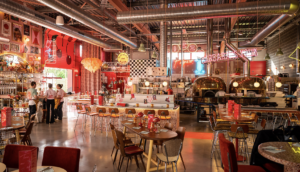
Get ready for a blast from the past! Barbara is a remarkable restaurant near La Maillerie themed as a 70s disco “pizza hangar.” This pizzeria is captivating with its flashy decor, from chaotic patterns to flashing neon signs.

Barbara’s menu features Neapolitan pizzas, antipasti, desserts, and selected craft drinks. A few specialties include burrata truffle pizza, “oh my cheese” pizza, and classic desserts like tiramisu. With this killer menu on top of their vibrant decor, Barbara is a one-of-a-kind gem that sticks out amongst the La Maillerie restaurants. 

Want to read more about La Maillerie? 


Photo Credits: 

January 30th, 2024

  • Urban Campus is set to open La Maillerie, Lille Coliving in summer 2024.
  • This new construction venture is supported by Nhood (real estate provider) and Batipart (investor).
  • The La Maillerie coliving marks Urban Campus’ largest coliving project, with a total of 121 units.
  • The building features a unique design of shared cluster units in cozy, standard, or premium categories.

We are expanding in Lille! 

Urban Campus is thrilled to announce the continued progress of the La Maillerie Coliving venture in Lille, set to open in the summer of 2024. This innovative coliving development, in partnership with Nhood and Batipart, has been meticulously designed from the ground up to embody the essence of coliving. The building will offer 121 units, making it Urban Campus’ largest coliving space to date.

La Maillerie, Lille Coliving coming in summer 2024


Urban Campus La Maillerie, Lille Coliving 

The La Maillerie, Lille Coliving will have a distinctive design featuring cluster units. These units are crafted to balance private and communal living, offering residents their own private bedrooms alongside sleek, shared common areas. Also, future colivers will have the choice of cozy, standard, and premium living options. Each category offers different amenities and modern layouts. 

Urban Campus has always been committed to providing exceptional common spaces for community-building and connection. This project is no different, including state-of-the-art common zones like:

  • Coworking Space
  • Gym
  • Cinema Room
  • Event Space
  • Lounge
  • Shared Kitchen
  • Expansive Terraces
  • Patio


La Mallerie in Villeneuve-d’Ascq

La Maillerie, Lille Coliving coming in summer 2024!

La Maillerie is a historic district undergoing a vibrant transformation. It is nestled in the tranquil Villeneuve-d’Ascq region of Lille. This rapidly developing area is becoming a hub for professional opportunities, thanks to its proximity to the headquarters of major corporations like Auchan, Bonduelle, and Leroy Merlin

The area is also home to universities and specialized schools, including the prestigious EDHEC Business School Campus. This blend of industrial growth and educational excellence makes La Maillerie an ideal place for professional development and networking.

Additionally, the neighborhood is a haven for nature lovers and cultural enthusiasts. The region boasts extensive green spaces, including the Parc du Héron nature reserve. Furthermore, the culinary scene is vibrant, highlighted by the internationally recognized Les Halles Biltoki food market. This renowned market is a central spot in the neighborhood, and is conveniently located less than 5 minutes from our new coliving. 

La Maillerie is ideally situated at the crossroads of the Croix and Villeneuve-d’Ascq areas, offering a perfect blend of local charm and convenience. The location also provides access to the lively city center of Lille. 


Urban Campus: Expanding and Growing

La Maillerie, Lille Coliving coming in summer 2024!

The launch of La Maillerie is a significant milestone in the ongoing expansion and growth of Urban Campus. Our vision is to revolutionize the concept of urban living, and this venture is a leap forward in that direction.

Above all, we are dedicated to creating innovative living spaces that adapt to the evolving needs of the modern world. This new venture is a pivotal step in our mission to broaden our reach across France. It is a symbol of our growing commitment to enhancing urban life through innovative living solutions.

Explore more: 


Photo Credits:

Bring on the fire!

Welcome to the world of “Las Fallas de Valencia,” a festival so vibrant and unique that it has been declared a Cultural Heritage of Humanity by UNESCO. We are ready to guide you through everything you need to know about this incredible Valencian festival, from its rich history and traditions to practical tips for experiencing it firsthand. Get ready to be immersed in the spectacular fireworks, colorful parades, and mountains of fire that define this one-of-a-kind celebration in Valencia, Spain.


What is Las Fallas de Valencia?

Las Fallas de Valencia: A Fiery Cultural Celebration 5

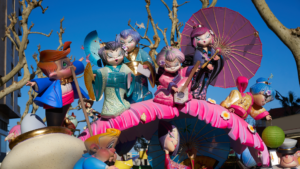
Las Fallas de Valencia is an annual week-long festival, celebrated from March 15th to March 19th, with festivities beginning as early as March 1st. This festival is renowned for its elaborate sculptures made of wood and paper mache, known as “fallas,” which are displayed throughout the city. Each day is marked by spectacular fireworks displays and vibrant parades. Finally, the festival culminates in a grand finale where the fallas are burned during “La Cremá.” 


Why is Las Fallas de Valencia Celebrated?

The festival’s origins trace back to the Middle Ages. Carpenters in Valencia used to burn wooden scraps and workshops on the Feast Day of Saint Joseph, their patron saint. This tradition evolved into creating large-scale wooden figures, which were eventually set on fire. Today, Las Fallas is not just a celebration of history but a symbol of rebirth and renewal. It also marks the end of winter and the arrival of spring.


Key Traditions of Las Fallas

Las Fallas de Valencia: A Fiery Cultural Celebration 4

  • La Cremá (The Burning): The climax of Las Fallas, La Cremá, occurs on March 19th. This is when the fallas sculptures are set ablaze. These towering artworks, sometimes reaching 30 feet, represent a year’s worth of craftsmanship and are burned in a spectacular display of light and heat.
  • La Nit del Foc (The Night of Fire): On the night of March 18th, Valencia witnesses its largest and longest fireworks display. Thousands of fireworks illuminate the sky in a mesmerizing show of color and sound.
  • Mascletà: The Mascletà is a daily explosive event in Plaza del Ayuntamiento. Featuring a rhythmic barrage of firecrackers, the sound of the Mascletàs resonates throughout the whole city. Mascletàs begin in early March and continue all the way through the weekend of Las Fallas. 
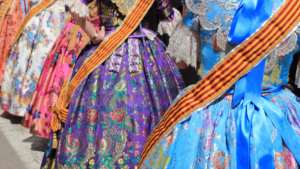
  • La Ofrenda de Flores (Flower Offering): On March 17th and 18th, a deeply emotional tradition unfolds as Valencians dressed in traditional attire offer flowers to a massive statue of the Virgin Mary.


Construction of the Fallas

Las Fallas de Valencia: A Fiery Cultural Celebration 1

Material and Creation

The fallas are elaborate sculptures made primarily of wood and paper mache. These materials are chosen for their versatility and flammability, as the sculptures are eventually burned during La Cremá.

Themes and Artisans

Themes for the fallas are often satirical or humorous, reflecting current social and political issues. Artists and craftsmen known as “falleros” spend an entire year planning, designing, and constructing these sculptures. The process involves a combination of artistic vision and skilled craftsmanship. The falleros focus on both aesthetic appeal and the ability to convey a message through their artwork. There is a prize for the best falla each year, which acts as a symbol of great pride for the neighborhood that collaborated in its construction.

Community Involvement

The construction of fallas is a community effort, with different neighborhoods in Valencia forming committees to fundraise and collaborate on their local falla. These committees, known as “Casal Faller,” play a vital role in maintaining the tradition and ensuring the success of each sculpture.

The creation and display of the fallas represent a unique blend of art, culture, and community spirit. They are the true cornerstone of Las Fallas de Valencia. 


Mascletàs During Las Fallas de Valencia

Las Fallas de Valencia: A Fiery Cultural Celebration

A March Filled with Mascletàs

Mascletàs are a crucial part of the Las Fallas de Valencia celebrations, occurring daily throughout March. Starting on March 1st, these explosive displays are held in the Plaza del Ayuntamiento and are known for their intense sound. Each mascletà combines fireworks and firecrackers, creating an extremely audibly powerful experience. The goal is to produce a rhythmic and intense auditory experience, sometimes reaching up to 120 decibels. Needless to say, they can be felt just as much as heard​​​​.

When is Las Fallas de Valencia Celebrated?

Las Fallas takes place annually from March 15th to March 19th in Valencia, Spain. However, the excitement builds up from March 1st, setting the stage for the main events.


Things to Know & How to Prepare

Las Fallas de Valencia: A Fiery Cultural Celebration 3

  • Timing: Plan to arrive in Valencia a few days before March 15th to experience the full range of festivities.
  • Accommodation: Book your accommodation well in advance, as the festival attracts millions of visitors.
  • Transportation: Utilize public transportation, as the city center is often crowded and closed to traffic. Budget in extra travel time for anywhere you need to go. 
  • Safety: Be mindful of your surroundings, especially during large gatherings and firework displays. Las Fallas de Valencia attracts visitors from all over the world, making it a popular place for pickpockets. 
  • Cultural Respect: Embrace the traditions, participate in the celebrations, and respect the local customs and artwork. 
  • Explosives: Las Fallas de Valencia is a spectacular display of pyrotechnics, ranging from the grandeur of massive Mascletàs to the playful crackle of street-level petardos. Prepare yourself for a weekend filled with the sparks, pops and earth-shaking booms. 
  • A City That Never Sleeps: Embrace the nonstop excitement of Las Fallas. Expect sounds, from music to fireworks to joyous shouting, to fill the streets late into the night…and don’t expect to sleep too much! 

Want to read more about Valencia? 


Photo Credits: 

  • All photos used through Canva Free Media License

Discover the Barrio de Salamanca!

Madrid is a city full of life, cultural richness and neighborhoods….MANY, many neighborhoods. It can be difficult to know exactly where to start when exploring the array of diverse barrios in Madrid, but don’t worry – we can steer you in the right direction. 

Avenida América, found within the famous Salamanca district, is a standout neighborhood that is definitely worth exploring. Imagine delicious dining options, bustling shopping streets, lively bars and significant historical sites – what more could you need? It is a well-connected area and an ideal starting point for those looking to dive into the authentic cultural fabric of Madrid.

Not to mention, it is the neighborhood of our Avenida América, Madrid Coliving Space! 

Let’s take a closer look at the best things to do in Avenida América and the vibrant barrio de Salamanca. 


🍽️ Restaurants in Avenida América and Barrio de Salamanca

The barrio de Salamanca offers a rich diversity of culinary experiences that cater to diverse tastes and budgets. From high-end gourmet restaurants to cozy, budget-friendly eateries, there is a little something for everyone. 

Discover the Barrio de Salamanca: Best Things to Do! 10

High Budget Restaurants

Carbon Negro: Carbon Negro is a great place for sophisticated dining, and is especially celebrated for its grilled specialties. The ambiance is chic, with soft lighting that enhances the dining experience. You can enjoy Spanish classics like jamón ibérico and pisto manchego, plus explore their extensive bar, wine, and cocktail menu.

Mano de Santa: This restaurant has a dynamic menu with lots of global influences. The interior of Mano de Santa is stunning and elegant, perfect for indulging or celebrating a special occasion. The menu offers shared plates, fish, meat, and desserts, with a few highlights being their delicious rice wok and eggplant empanadas.

El Cañadio: Known for its creative tapas and main courses, El Cañadio offers a blend of contemporary and classic flavors. A Michelin-recognized restaurant in 2023, it’s ideal for adventurous eaters interested in dishes like steak tartar, cow tail, and leek and shrimp pie.

Medium Budget Restaurants

Discover the Barrio de Salamanca: Best Things to Do! 13

Santerra: Santerra features a casual bar on the first floor (no reservations needed), with a Michelin-starred experience downstairs. The menu changes seasonally, offering traditional dishes with experimental flavors. A few standouts include the artisanal jamón ibérico croquette and wild rabbit rice. 

La Raquetista en la Habana: La Raquetista offers a fusion of Cuban and Spanish flavors in a vibrant atmosphere. Enjoy traditional dishes like torreznos (a type of fried bacon) and buffalo steak tartare. It’s a top choice for food lovers, with a large wine cellar and unique recipes.

Casa Vito: Casa Vito specializes in Italian cuisine, serving authentic pasta and pizza in a cozy, authentic setting. The menu features dishes like gnocchi with gorgonzola and orecchiette, complemented by a comprehensive wine selection.

Cazorla: A top Andalusian tavern in Madrid, Cazorla offers an extensive array of Spanish tapas. It’s the perfect spot for sharing dishes and enjoying classics like jamón and huevos rotos.

Cilindro: This Peruvian restaurant stands out for its innovative cuisine, featuring dishes like shrimp causa and oxtail bao. It’s famous for its use of traditional wood ovens and homemade sauces. If you are a fan of Peruvian cuisine, Cilindro is definitely the place for you. 

Warehouse: Warehouse is regarded for its enchanting garden setting and farm-to-table Spanish cuisine. The open garden creates a magical environment, ideal for enjoying dishes like morucha sirloin steak and catxopo (veal fillets). This restuarant is a MUST visit! 

Kippu: Offering a taste of Japan in Madrid, Kippu is known for its fresh sushi and Japanese specialties. The restaurant features a street market ambiance, perfect for a culinary journey to across the world.

Low Budget Restaurants

Discover the Barrio de Salamanca: Best Things to Do! 5

Sumo; Diego de León: An all-you-can-eat Chinese restaurant offering a vast array of dishes, including nigiris, makis, and rolls. Sumo is ideal for a hearty meal at an affordable price.

Makami; Diego de León: Specializing in delectable ramen, Makami is a cozy spot for casual dining. Their menu features various ramen dishes, gyozas, bao, and tacos.

La Mordida; Diego de León: Mexican restaurant La Mordida brings vibrant flavors to Madrid. Enjoy Mexican classics like nachos, chipotle chicken, and huevos rancheros, along with special events like tequila tastings and mariachi nights.

Pizza Natura: This restaurant is known for their artisanal pizza with unique dough ingredients like mijo and quinoa. Pizza Natura offers a healthy dining experience with vegan and gluten-free options as well. 


🛍️ Shopping in Avenida América 

Discover the Barrio de Salamanca: Best Things to Do! 15

Calle Ortega y Gasset is the epitome of luxury, offering an array of high-end boutiques and designer stores. This street is synonymous with exclusivity and sophistication, where shoppers can find the latest trends from international fashion houses. The elegant storefronts and upscale standards make it a destination for those seeking premium quality, and a great place for a long afternoon stroll. 

The small shops on Diego de León street offer a more intimate and personalized shopping experience. Here, shoppers can find unique and trendy items that cater to a variety of tastes. These shops are perfect for those who seek individuality and style without the high-end price tag. 

If you’re on the hunt for your classic, go-to stores, head to Calle Goya. This area is home to popular brands like Zara and Parfois, offering a diverse mix of fashion, accessories, and more. It’s another great street to find the new styles without breaking the bank.


🍸 Bars in Avenida América

In the barrio de Salamanca, just like in the rest of Spain, the bar scene is essential. Grab a beer, order some tapas, and get ready to kick back and relax.

Terrazas along Juan Bravo Street

Juan Bravo Street is lined with delightful terraces, which create the perfect spot for a leisurely drink. This is the ideal place to bask in the sunlight and immerse yourself in the lively neighborhood. For those unsure where to start, here are two excellent recommendations:

  • Salitre: renowned for its exquisite tapas and live concert sessions. The bar has a dark, luxurious interior with a classic tavern vibe, complementing its extensive menu of wines, beers, and cocktails. 
  • La Barra de la Bien Tirada: a modern cervecería (beer house) that blends Mediterranean influences with informal yet high-quality service. This bar is ideal for casual meetups or after-work gatherings. Its menu ranges from small bites and breakfast options to larger dishes, all served in a bright, sunlit interior.


🏟️ Wizink Center

The barrio de Salamanca isn’t just a hub of modern urban life; it’s filled with important history and notable landmarks. Among its most illustrious attractions is the Wizink Center, a hotspot for cultural and sporting events in Madrid. This venue is a great place to explore the city’s sports and entertainment scene. 

The Estadio Wizink Center was first constructed and inaugurated on 1960, originally known as the the “Palacio de Deportes de la Comunidad de Madrid.” The versatile venue was rebuilt and redesigned following a fire in 2001. Now, the Wizink boasts state-of-the-art facilities for hosting a wide range of events, including concerts, basketball games, and more. Its architectural beauty and historical significance make it a must-visit. The center not only serves as a hub for entertainment but also reflects Madrid’s commitment to fostering a vibrant cultural scene. 

Want to read more about Madrid?


Photo Credits: 

  • Photo 1: Canva Free Media License

  • Photo 2: Warehouse Madrid Instagram – see original post
  • Photo 3: Sumo Instagram – see original post
  • Photo 4: Canva Free Media License

  • Photo 5: Canva Free Media License
  • Photo 6: Canva Free Media License

Have you ever tried kombucha? 

Kombucha is quickly becoming a sensation worldwide. Imagine a refreshing, fermented drink that not only tastes delicious but also offers unique health benefits. Crafted from a blend of tea, yeast, and sugar, Kombucha’s magic ingredient is the “SCOBY” – a symbiotic culture of bacteria and yeast. This bacteria turns kombucha into a drink that is, in fact, alive

While the concept of a ‘living’ beverage might seem unusual, Kombucha’s fusion of deliciousness and wellness is something you need to experience. Trust us on this one; you’ve got to try it.   

We are excited to not only jump into the fascinating world of Kombucha, but to also share the inspiring story of one of our Urban Campus colivers. Get ready to meet an inspiring entrepreneur who transformed his affinity for Kombucha into a booming business and one-of-a-kind brand. 


Meet Raul de Frutos: Co-CEO and Co-founder at Viver Kombucha 

Meet Raul de Frutos: Co Founder & Co CEO at Viver Kombucha

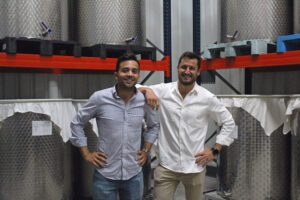
Raul de Frutos is a coliver in our UC Atocha, Madrid Coliving and is the Co-CEO and Co-founder of Viver Kombucha. It is nearly impossible to describe Raul in just a few words, but if we had to, it would go something like this: fervently passionate, curious, and downright inspiring. Raul co-founded and runs Viver Kombucha, the #1 fastest growing kombucha brand in Spain in 2023. 

But how did Viver Kombucha come to be? Let’s rewind.

Originally from Cádiz, Spain, Raul moved to Madrid to study Industrial Engineering at the Univerisdad Politécnica de Madrid. It was there where he met Fernando, who would later become his future business partner. During their final year of university, they both decided to go to the United States to complete their degrees in Chicago. Having always been drawn to adventure, Raul loved the challenge of living in a foreign country and exploring the many cultural differences. 

The most important thing Raul did in the US? Drink kombucha. He cited himself as a total kombucha addict during this time, and also witnessed the rapid growth in the drinks popularity. Raul stayed in Chicago for 5 years after graduation, working principally with startups and gaining tons of professional experience. But in the back of his mind, he always had the idea of popularizing Kombucha in Spain. 


The start of Viver Kombucha

Meet Raul de Frutos: Co Founder & Co CEO at Viver Kombucha

Following their five-year stint in Chicago, Raul and Fernando both moved back to Spain with the plan to launch their very own Kombucha venture. They used their savings from the US to establish a dedicated Kombucha factory in Granada. This endeavor involved months of meticulous effort, especially when it came to refining the art of Kombucha brewing on a large scale. 

“We thought we knew how to make Kombucha, but once you start making it at scale it’s completely different. Kombucha is a really wild product and we had many things to learn. We actually went to California to learn from the Kombucha gurus there, and did a lot of consulting and revisions of our process.”

Mastering the kombucha-making process

Meet Raul de Frutos: Co Founder & Co CEO at Viver Kombucha

If you’re curious how Kombucha is brewed, here’s a quick overview of the process. 

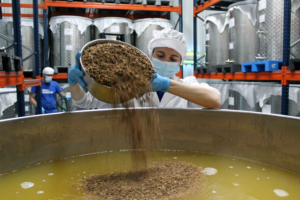
  • Brew sweet tea as the base.
  • Add sugar and a SCOBY (Symbiotic Culture Of Bacteria and Yeast) to the tea.
  • The SCOBY eats the sugar, converting it into beneficial acids and probiotics.
  • Let the mixture ferment for about 3-4 weeks.
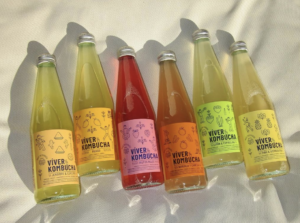
  • Add organic fruits for flavoring.
  • Allow another week of fermentation to infuse the flavors.

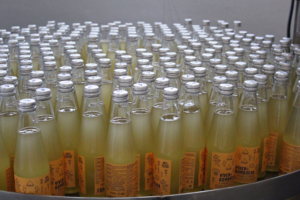
  • Bottle the kombucha.
  • Kombucha is not pasteurized in order to preserve the beneficial bacteria. Therefore, it should be kept refrigerated after production to maintain its quality and health benefits.

Building from scratch

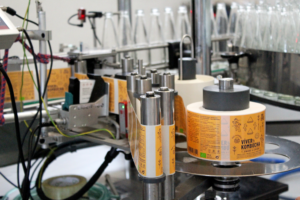
Initially, Raul and Fernando did everything themselves, including hand-labeling every Kombucha bottle. They started with just one single flavor, ginger and turmeric, and went door-to-door asking stores in Granada to stock their product.

Meet Raul de Frutos: Co Founder & Co CEO at Viver Kombucha

Despite initial skepticism from friends and family, their efforts paid off. They sold their first bottle in March 2020, and sales quickly increased. In the early days, Viver Kombucha was only available in herbalists and specialty health food stores. Present day, it’s sold in over 4,000 stores across Spain, including major retailers like El Cortes Ingles and Carrefour. The company has expanded to a team of 20 and is also beginning to enter other European markets. Above all, their commitment to selling healthy products remains stronger than ever. 

“The market is full of drinks that are not healthy for people…I think it’s important that people have healthier options. Working on a product that is good for people really motivates us.” 


Raul & Urban Campus

Meet Raul de Frutos: Co Founder & Co CEO at Viver Kombucha

Raul’s entrepreneurial spirit is fully engaged in leading Viver Kombucha alongside Fernando, where he’s ambitiously expanding the brand to include a variety of fermented and healthful beverages. His vision is far-reaching, seeing kombucha as merely the first step in a larger journey.

Beyond the professional realm, Raul thrives on adventure and excitement. This is evident in his love for travel and socializing, coupled with a strong passion for fitness. He even completed an Ironman in Hawaii while residing in the US!

Passionate about meeting new people, Raul has always found great value in residing with roommates or in shared spaces. This preference led him to Urban Campus, attracted by the prospect of a vibrant, shared community. Since he works from home, Raul cherishes the ability to step out of his private space and spontaneously engage with fellow residents in common areas. Whether coworking together, hitting the gym or going to community pizza nights, the ease of connecting with other colivers in Urban Campus is priceless for him. Plus, the convenience and flexibility offered by Urban Campus is a great bonus for his busy lifestyle as a business owner. 

Want to try Viver Kombucha for yourself? 

  • Check out all their different packs and flavors!
  • Psst…UC members! Check out your UC Member perks for a special discount code.

Meet Raul de Frutos: Co Founder & Co CEO at Viver Kombucha