How many people live in France? 

France is home to approximately 64.7 million people, making it one of the most populous countries in Europe. France’s rich cultural heritage, world-famous cuisine, and historical landmarks attract people who want to live in France from all over the globe, contributing to its dynamic and multicultural society.

How much money do you need to live in France? 

The cost of living in France can vary significantly depending on the city or region you choose to reside in and your personal lifestyle preferences. In general, larger cities like Paris tend to have a higher cost of living compared to smaller towns and rural areas. On average, a single person might need a monthly budget of around €1,200 to €2,000 for basic living expenses, including rent, food, public transportation, and healthcare. However, this amount can be higher or lower depending on your specific circumstances and choices.


The best places to live in France 

Want to live in France? Here’s your complete guide 15

The best places to live in France can be a matter of personal preference and priorities. Some popular cities and regions known for their quality of life and cultural attractions include Paris, Lyon, Bordeaux, Nice, and the French Riviera. Each of these places offers unique experiences, such as world-class cuisine, UNESCO world heritage sites, beautiful landscapes, national museums and vibrant arts scenes. 

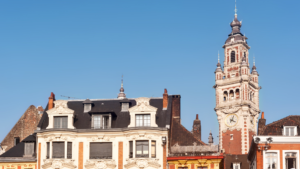
Lille, France is another fantastic place to consider when looking for the best places to live in France. This vibrant city, located in the Hauts-de-France region, offers a unique blend of French and Flemish cultures. Lille is known for its rich history, stunning architecture, and a thriving arts and music scene. It’s also home to numerous universities and educational institutions, making it an attractive option for both students and young professionals.

Ultimately, where to live in France will depend on your individual needs and interests. It’s a good idea to research different areas and weight all the pros and cons of moving to France. 


So, you want to live in France…do you need to speak French? 
Want to live in France? Here’s your complete guide 10

In short, yes. Learning French is an absolute necessity when moving to France. Regardless of your destination within the country, getting a grasp of the French language is imperative to integrate into the society and feel comfortable in the long-term. While English may be spoken by some in larger cities, the preference for French is evident. Learning the language is the key to truly connect with French people in daily life, work, or social interactions. Plus, French is the official language of 29 different countries around the world, making it quite a worthy investment to learn. 

Here are some basics to get you started

  • Hello – Bonjour
  • Goodbye – Au revoir
  • Please – S’il vous plaît
  • Nice to meet you – Enchanté(e)
  • Thank you – Merci
  • What time is it? – Quelle heure est-il ?
  • Do you speak English? – Parlez-vous anglais ?
  • How are you? – Comment ça va ?
  • I’m great, thanks – Je vais bien, merci


Working in France 

If you’re considering working in France, there are key aspects of the work culture to keep in mind. France is known for its 35-hour workweek, established as a labor reform in the year 2000. Working hours tend to vary by location and company, as many people claim that the 35-hour workweek can be somewhat of a myth. However, if you are working in France, you can definitely count on a large number of paid holidays. 

In general, the French take two things very seriously – leisure time and food.  Notably, lunch breaks can last up to two hours and are considered sacred. It was even previously prohibited by the French labor code to eat lunch at your desk. 


Healthcare & Retirement 

Healthcare in France is renowned for its high quality and accessibility. The country has a universal healthcare system known as “La Sécurité Sociale,” which provides comprehensive coverage to all residents. The healthcare system even extends to expats living in France who meet certain criteria. French healthcare is funded through a combination of employer and employee contributions, along with government subsidies.


Get ready to travel

Want to live in France? Here’s your complete guide 13

Before making your move to France, it’s advisable to establish a travel budget. Traveling within France is incredibly convenient, with an extensive urban transportation network and high-speed trains connecting various regions. Whether you’re settling in a bustling city or a charming town, having a dedicated travel fund allows you to explore the country. France offers iconic destinations like Paris, Marseille, and Nice, but the country is brimming with many places worth discovering. A few of our favorites include…

Annecy

  • Annecy, France, just 35 kilometers south of Geneva, Switzerland, is a place of immense charm and romance. The city sits at the northern edge of Lake Annecy, which boasts the title of “Europe’s cleanest lake.” Its allure is amplified by two beaches; Plage la Brune in Veyrier-du-Lac and Plage Municipal in Saint-Jorioz. These spots offer delicious restaurants, pristine waters and even lifeguard patrols, making Annecy a must-visit destination for those seeking natural beauty and relaxation.

Carmague

  • Camargue, situated in the south of France, has a breathtaking and distinctive landscape. It is situated between the Mediterranean Sea and the delta of the Rhône River. The region is characteristzed by vast salt marshes, reed beds, and the presence of free-roaming white horses. Not to mention, Camargue harbors hundreds of bird species, including the majestic pink flamingo. 


Sports & Lifestyle in France

Want to live in France? Here’s your complete guide 11

Sports are definitely a cornerstone of French culture, with tennis, football, and cycling ranking amongst the most popular nationally. 

Tennis: Tennis holds a significant place in French culture, with a legacy spanning many decades. France has made substantial contributions to the sport’s development, highlighted by the prestigious French Open. This international tournament is one of the four Grand Slam events, along with the Australian Open, Wimbledon Championships, and the U.S. Open.

Football: Football is one of the most beloved sport in France, and is generally overseen by the French Football Federation (FFF). This national governing body manages all aspects of football, from amateur to professional levels. France has a strong historical presence in FIFA World Cup competitions, consistently performing well on the international stage.

Cycling: France is practically synonyms with cycling, hosting the renowned Tour de France. This annual cycling competition spans three weeks, encompassing various stages that traverse the Pyrenees and the Alps before coming to a finish at the Champs-Élysées in Paris. 


Visas and Residency 

Visas and residency in France vary depending on your nationality, intended length of stay, and purpose for being in the country. If you’re a citizen of a European Union (EU) or European Economic Area (EEA) member state, you can live and work in France without a visa or residence permit.

How can I move to France as a non EU citizen? 

For non-EU nationals, there are several visa categories, such as tourist visas, student visas, and work visas, each with specific requirements. To become a permanent resident, you may need to live in France for several years under a long-stay visa. You will need to meet certain conditions, including language proficiency and certain metrics of integration into French society. Dealing with the bureaucracy in France can be a challenge, as governmental processes are quite lengthy. 

For those seeking French citizenship, you typically need to have lived in France for at least five years (sometimes less in specific cases, like marriage to a French citizen) and demonstrate your commitment to the French way of life. France has strict immigration laws and policies about expats living in France, so it’s crucial to consult with the French consulate or embassy in your home country or seek legal advice.


Renting an apartment in France can be difficult 

When moving to France to work, securing a rental can be a challenging process. This can be even more challenging if you are moving to France to study. When working with a real estate agent, or “agent immobilier”, you’ll typically encounter administration fees covering services like property search, viewing arrangements, lease agreements, and key handovers. Additionally, you’ll need to provide essential documentation, including a passport or valid ID, proof of French residency status, and proof of income, usually in the form of three months’ bank statements. If you’ve previously rented in France, references from past landlords may also be required. 

Renting directly from a landlord (particulier à particulier) is a more cost-effective option, but it can carry higher risks if not handled correctly. Thorough contract arrangements are crucial. Additionally, most rentals through private landlords in France are for unfurnished properties.

Attempting to secure a rental from abroad can be almost impossible, with many French agencies unresponsive. Many expats moving to France book lodging through platforms like Airbnb for their initial weeks in France to simplify the process. 


Urban Campus
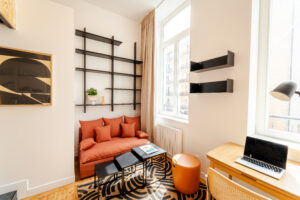
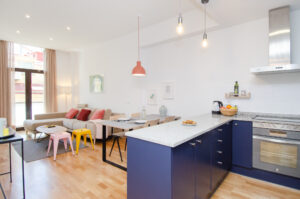
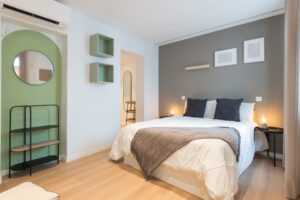
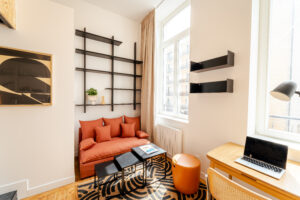
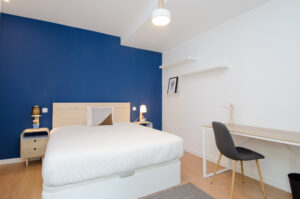
If you’re on the hunt for the ideal place to live in France, consider Urban Campus your ultimate solution. With coliving spaces spread across various French cities, we offer an array of private rooms and studios to suit your preferences. Our facilities have inviting common areas like lounges, patios, gyms, coworking spaces, and entertainment rooms, fostering a vibrant community atmosphere. You also have the opportunity to connect with fellow young professionals through our organized events. 

What makes Urban Campus truly hassle-free is our all-inclusive approach – from furniture and WiFi to electricity, cleaning services, and laundry, everything is conveniently bundled into a single bill. Plus, our seamless and virtual booking process simplifies everything. Check out our coliving spaces and get ready for your move to France. 


Photo Credits: 

  • All photos used through Canva Free Media License
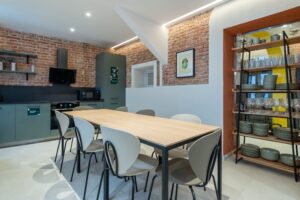
In recent years, the concepts of coliving, shared housing, and intergenerational residences have gained significant traction within the housing market. Urban Campus, a pioneer in creating innovative living spaces, has been at the forefront of this transformation. This article delves into the burgeoning trends of innovative housing solutions. These include supported living, shared living, coliving, co-residence, communal living, and intergenerational living. Plus, we will highlight the substantial appeal these varying trends hold for people of all ages. 


Coliving & intergenerational living attract young workers and seniors

Intergenerational Living, Coliving and Shared Housing

The 21st century has ushered in a remarkable shift in housing preferences, moving beyond the traditional single-family home or apartment living. Supported living, shared living, coliving, co-residence, communal living, and intergenerational living have all emerged as compelling alternatives. Urban Campus, recognizing the evolving needs of urban dwellers in a hyper-digital world, has been a leader in this transformation.

The emergence of these housing solutions can be attributed to an increasing societal need for social connection and community. In an era dominated by remote work and technology, individuals often find themselves facing isolation. Communal housing options aim to bridge that gap by offering spaces that foster genuine human interaction and a shared sense of belonging. They provide opportunities for residents to form authentic connections and a stronger sense of belonging.


Supported Living: A helping hand for all ages

Intergenerational Living, Coliving and Shared Housing

Supported living is a burgeoning concept that encompasses a range of housing options designed to provide residents with assistance and care tailored to their specific needs. This includes not only the elderly but also individuals with disabilities or those requiring medical support. Supported living aims to ensure that residents can enjoy a comfortable, secure, and inclusive living experience.


Shared Living: Fostering community and affordability

Shared living has gained immense popularity among millennials and Gen Z. It involves individuals, often strangers, sharing living spaces while benefiting from reduced costs and an enhanced sense of community. Shared living can foster connections, collaboration, and personal growth among its residents.


Coliving: Creating rich communities for digital nomads and young professionals 

Intergenerational Living, Coliving and Shared Housing

Coliving takes shared living a step further, providing residents a strong sense of community and intentionally-designed common spaces. The concept of coliving has experienced a remarkable surge in popularity in recent years, especially as young professionals seek innovative and community-oriented housing solutions. 

Urban Campus has been a leader in coliving throughout both France and Spain. Our dynamic coliving spaces serve as hubs of collaboration, creativity, and social interaction, providing residents with an unparalleled living experience. Through thoughtfully designed spaces and a vibrant calendar of events, Urban Campus fosters a sense of belonging and camaraderie among its residents. These factors all come together to make coliving a truly enriching and fulfilling lifestyle choice.


Intergenerational Living: Bridging the Generation Gap

Intergenerational living is a concept where different generations have a co-residence under one roof, sharing life experiences and forming unique bonds. It allows seniors to find companionship and support, while young professionals benefit from guidance and wisdom. The interplay of generations creates an enriching living environment that benefits all residents.

Intergenerational Living, Coliving and Shared Housing

Overall, the growing popularity of coliving and other innovative housing solutions reflects a broader shift in how individuals approach shared living arrangements. Urban Campus continues to contribute to this evolving landscape of shared housing through the expansion of their dynamic and community-oriented coliving spaces. As the housing market continues to evolve, it’s clear that these innovative trends are shaping the future of communal living.  Individuals are seeking enhanced connection and a deeper sense of belonging in their environment, which will continue to fuel this growth. 

When it comes to the world of real estate investment, there are two primary categories that prospective investors often consider: commercial and residential properties. Both of these categories serve distinct purposes, offer unique advantages, and require different strategies for success. In this comprehensive guide, we will explore the benefits of commercial vs. residential real estate, as well as emerging real estate trends. Plus, we will outline some essential steps to embark on a successful real estate investment journey. 


Types of Real Estate: Commercial vs. Residential Real Estate

Commercial vs. Residential Real Estate

The fundamental distinction between commercial vs. residential real estate lies in their intended use.

Commercial properties encompass a wide range of real estate assets, including office buildings, retail spaces and industrial warehouses. These properties are primarily used for business activities, typically housing commercial tenants who rent space for various business operations.

Residential properties, on the other hand, include single family homes, duplexes, apartments, condominiums and multifamily properties. These properties are designed for individuals and families looking for a place to call home. 


Benefits of Commercial vs. Residential Real Estate

Commercial vs. Residential Real Estate

Commercial Real Estate

Commercial properties offers a range of advantages for real estate investors. First, commercial properties often provide higher rental income potential compared to residential properties. Businesses are usually willing to pay a premium for space in areas with high foot traffic and visibility, making commercial properties a potentially lucrative investment. Stable, long term leases are also a common feature of commercial real estate. Commercial leases can be more lengthy than residential ones, providing more security for the investor. Commercial tenants often commit to multi-year leases, reducing turnover and vacancy rates.

Residential Real Estate

Residential leases typically come with predictable rental income, as residential tenants are often individuals or families seeking a stable place to live. Lease terms are generally shorter, providing opportunities to adjust rental rates more frequently. Managing residential properties can be less complex, especially in the case of single-family homes or small multifamily properties. Plus, residential properties can also experience property appreciation over time, contributing to the overall return on investment.


Steps to Embark in Real Estate Property Investment

Commercial vs. Residential Real Estate

Depending on your interests and goals regarding commercial vs. residential real estate, it is important to consider the following…

  • Educate Yourself: With commercial properties, begin by thoroughly understanding the types of commercial properties available and their associated risk profile. Consider the specific requirements of businesses in your target market. For residential properties, gain a deep understanding of the local residential real estate market, property types, and tenant demographics. Stay informed about current market trends.
  • Secure Financing: Explore various financing options, including initial costs and loans with lower loan-to-value ratios. Assess your financial capacity to determine the best financing approach.
  • Conduct Due Diligence: Conduct thorough market research, evaluating property potential for long-term growth. Assess factors such as location, market demand, property condition and property management requirements. 
  • Network: Focus on building relationships with commercial or residential real estate agents, brokers, and property owners, and even local real estate investment groups. Networking can provide insights into market trends and opportunities.
  • Lease Negotiations: Develop strong negotiation skills, and familiarize yourself with applicable laws in your area. Understanding the needs of your future tenants is crucial to this step.


Residential Real Estate in Spain

Commercial vs. Residential Real Estate

The residential real estate market in Spain remains a robust sector for investment. In 2022, home sales in Spain increased by 14.7%, totaling 649,712 transactions, as reported by the National Statistics Institute (INE). This figure is the second-highest in history, only surpassed by the year 2007. Notably, the most significant transactions occurred in major cities like Madrid, Barcelona, Málaga, Sevilla, and Valencia, where populations exceed 50,000. 

The entire year of 2022 marked a historic high in residential market investment, totaling 15.4 billion euros. This demonstrated a 35% growth compared to 2021 and a 21% increase over the previous peak in 2019. Additionally, investment in Build-to-Rent (BTR) and Private Rental Sector (PRS) projects reached a historic high at 2.6 billion euros in 2022. These numbers highlight the enduring strength of Spain’s residential real estate market.


Coliving 

Commercial vs. Residential Real Estate: An Introduction

Coliving is a rapidly growing real estate trend gaining popularity not only in Europe but on a global scale. It involves residents sharing a property, often a spacious house, building, or multi-bedroom apartment, with private rooms for each tenant and communal spaces that foster a sense of community. The growth of coliving can be attributed to shifting socioeconomic dynamics like increasing housing costs and changing lifestyle preferences. All of these factors offer promising prospects for the continued development of the coliving sector.

Coliving occupies a unique position in the real estate landscape, as coliving properties can be managed commercially or residentially. Urban Campus, for instance, takes a residential approach to managing coliving spaces. Our properties have a diverse range of private units and lively communal areas, such as lounges, coworking spaces, terraces, gyms, shared kitchens, and patios. An additional value of coliving is the strong sense of community. At Urban Campus, we organize engaging events that help facilitate these connections, which can be especially meaningful in the midst of a bustling urban city.

Check out Urban Campus’ most recent real estate projects here: 

It is no secret that we all want the easiest moving experience possible. 

At Urban Campus, we have made it a priority to simplify the moving process and provide convenience for our colivers. We have an expansive list of amenities all included the cost of your rent, so you only have to worry about paying one single bill every month. That’s right – when you pay your monthly rent, there is everything from Netflix to cleaning to utilities included. 


Cleaning and utilities included…what else? 

Wifi, cleaning & utilities included...plus so much more! 4

What does “utilities included” really mean? 

Our spaces at Urban Campus are fully furnished and equipped for you to move in. All you need to bring is your suitcase and toothbrush. Our goal is to make your transition to your new home smooth and stress-free, so we have taken care of all the essentials. No plates, cutlery, or household items needed! You’ll find everything for a comfortable living experience already in our Urban Campus coliving spaces. 


Utilities Included

Wifi, cleaning & utilities included...plus so much more! 7

The utilities included in your monthly rent include…

  • Water
  • Electricity
  • Heating
  • Air Conditioning (in Spain)
  • Wifi


Cleaning Supplies 

No matter what type of unit you are moving into, it will be cleaned and prepared before your move-in date. Plus, there is a weekly cleaning service included in your monthly rent. However, we also provide cleaning supplies for your own personal use, which includes…

  • Micro-fiber cleaning cloths 
  • Broom & dustpan 
  • Cleaning gloves 
  • Sponges 
  • Mop
  • Dishwasher soap
  • Window cleaner 
  • Foldable drying rack


Kitchen Appliances

Wifi, cleaning & utilities included...plus so much more!

Kitchen appliances can certainly be harder to find in your average apartment, but we’ve got you covered. The appliances we provide include…

  • Dishwasher (in Spain)
  • Washing Machine
  • Microwave
  • Oven & Stove
  • Fridge 
  • Freezer 
  • Toaster
  • Kettle
  • Blender


Kitchen Items

  • Full sized plates 
  • Small sized plates 
  • Bowls 
  • Different-sized salad bowls 
  • Cutlery 
  • Cutlery pot 
  • Cooking knives 
  • Drinking glasses 
  • Glass water bottle  
  • Wine glasses
  • Mugs 
  • Drying rack for dishes
  • Cutting boards 
  • Saucepans
  • Frying pans 
  • Baking sheets (small & large)
  • Knife peeler 
  • Cork table mat 
  • Fabric place mats 
  • Colander 
  • Bottle opener 
  • Cooking glove 
  • Cooking hot pad
  • Scissors (small & large)
  • Cheese grater 
  • Sets of Tupperware 
  • Whisk 
  • Italian coffee maker 
  • Tea infuser ball 
  • Tea towels 
  • 2 trash cans
  • 1 recycling bin


Living Room Furniture 


  • Dining table 
  • Chairs 
  • Floor lamp
  • Decor pillows 
  • Sofa 
  • Center table 
  • Wall shelf 
  • Carpet 
  • Framed art illustration
  • Curtains
  • Window blinds
  • Lamps with light bulbs 


Bedroom Items

Wifi, cleaning & utilities included...plus so much more! 5

  • A mattress
  • Mattress cover protector 
  • Headboard 
  • Bedside table 
  • Bedside lamp 
  • Wardrobe 
  • Wall shelf 
  • Frame with illustration 
  • Wall mirror 
  • Duvet 
  • Pillows 
  • Curtains 
  • Hangers 


Office Area 

Wifi, cleaning & utilities included...plus so much more! 1

  • Desk 
  • Chair 
  • Desk lamp


Bathroom Items

  • Toothbrush pot 
  • Wall hook 
  • Hand soap dispenser 
  • Mirror 
  • Small trash can 
  • Toilet paper holder 
  • Toilet brush 
  • Shower shelf


We hope that this comprehensive overview has clarified everything included in an Urban Campus coliving. While there are pros and cons to every style of living, having all of these amenities included in one single bill is certainly a considerable advantage. If you’re interested in seeing more detailed walk-throughs of our coliving spaces, explore our coliving tours on our YouTube Channel. 

Urban Campus takes pride in being more than just a rental property; we’re a community-focused living solution. At Urban Campus, our unwavering mission is to streamline your relocation process, allowing you to devote your energy to forging connections within your new community.

As demonstrated by our comprehensive list of amenities, we are fully prepared to cater to your requirements. The only question that remains is: are you ready to join us? 

Are you ready to discover the best things to do in Lille, France?

Look no further! Lille is a charming city in Northern France known for it’s stunning architecture and distinct culture. We’ve compiled a complete list of everything from restaurants and bars to unique in-person experiences that will give you a taste of the lifestyle in Lille. Whether you are new to the city or only have a short stay in Lille, the city has something special to offer you. Come with us to discover the best things to do in Lille, France!


Flemish Influence 

The best things to do in Lille, France 8

Lille is known for its strong Flemish influence, which is reflected in the city’s architecture, cuisine, and general atmosphere. Taking a stroll with your fellow colivers through the historic Old Town is one of the best ways to marvel at the these architectural characteristics, which reflect a mixture of French and Flemish design. We also suggest exploring the Vieux Lille and Saint Sauveur neighborhoods, where you can discover several picturesque monuments. Lille was even awarded the impressive title of World Design Capital for 2020, honoring the one-of-a-kind architectural styles throughout the city. 


The best things to do in Lille, France 11

As far as architectural recommendations, we have a few. La Nouvelle Bourse, constructed in 1910, is a neo-Flemish bell tower. It is part of the Palais de la Bourse and is erected opposite the old 17th century stock exchange. The Roubaix Swimming Pool, built in 1927, is another must-see. The pool is housed within André Diligent Museum of Art and Industry, surrounded by statues and Art Deco displays. Plus, there is the façade of Notre-Dame de la Treille. This is a neo-gothic cathedral built with 100 slabs of marble and enormous stained glass windows.


Restaurants in Lille, France

The best things to do in Lille, France 13

Lille is a fantastic place to try new dishes and expand your palate. You can try some of the local specialties, which include:

  • Carbonnade: a dish is made from beef, baked lard, onion, raw sugar, vinegar, light beer, rustic bread, mustard, salt, and seasonings.
  • Potjevleesch: a traditional Flemish dish consisting of onions, wine, vinegar, fresh herbs, and sheep, chicken, pig, rabbit, and cow meat, slowly simmered in a crock pot.

If you’re looking for the best restaurants in Lille, check out the following places…


1. Octopus

The best things to do in Lille, France 19

Octopus is a go-to spot for any adventurous eater. This restaurant is known for their incredible octopus dishes. In fact, they even have a whole menu dedicated just to octopus. If you are craving something different, they also has a variety of other dishes including fish, veal, mussels and squid. Plus, you can peruse their extensive wine menu to pair with your meal.

Location: Octopus, 2 Pl. Sébastopol, 59000 Lille, France


2. Bloempot

The best things to do in Lille, France 5

Bloempot impressively sources 100% of their food locally from only organic or wild farming. It is located in the heart of Vieux Lille with an elegant terrace. Bloempot offers the exciting option of an “experience menu”, where the chefs decide what to cook and serve it to you with your eyes closed! As this is quite the popular restaurant, be sure to make a reservation in advance. 

Location: 22 Rue des Bouchers, 59800 Lille, France


3. Estaminet Au Vieux de la Vieille

Estaminet Au Vieux de la Vieille is a traditional flemish restaurant. The ambience, decoration, and music of this restaurant transport you to the northern taverns of the early 20th century. This is the perfect place to order Lille’s famous Welsh, which is a hot plate made of ham, egg and cheddar. If you’re just looking to relax with a coffee or beer, the vibe in Estaminet Au Vieux de la Vieille couldn’t be better.

Location: 2 Rue des Vieux Murs, 59800 Lille, France


Bars in Lille, France 

The best things to do in Lille, France 10

1. Artchives

Artchives is a unique blend of a bar, restaurant, and art gallery. They are known for their chic cocktails, all made with creative recipes and distinct presentation. You can drink, eat, and enjoy their contemporary art gallery, which features artistic talent from all around the world. They also host fun events like live jazz music nights.

Location: 74 Rue Jacquemars Giélée, 59800 Lille


2. La Biche & Le Renard

The best things to do in Lille, France 6

La Biche & Le Renard is an intimate bar in Lille that’s a favorite among locals and visitors alike. Renowned for its exceptional craft beer selection and expertly crafted cocktails, it’s a must-visit during your stay in Lille. The bar’s colorful interior decor adds to its vibrant atmosphere, creating a lively backdrop for drinks and dancing. With drag shows, spacious outdoor areas for large gatherings, and talented DJs, La Biche & Le Renard is the go-to spot for a dynamic and entertaining night out.

Location: 14 Rue de Gand, 59800 Lille, France


3. Quai Des Bananes

The best things to do in Lille, France 20

Renowned for their playful and visually stunning cocktails, Quai Des Bananes welcomes you into a tropical paradise. Amidst the smoky ambiance and lush, jungle-inspired decor, guests can explore their cocktail menu and also order from their snack menu. They have a menu of over 400 original cocktail creations, each with a one-of-a-kind flavor and aesthetic. Some cocktails even come with a full coconut on top of the glass!

Location: 84 Rue Royale, 59800 Lille, France


Cafés in Lille, France

The best things to do in Lille, France 12

1. Elizabeth’s Tea Rooms

Elizabeth’s Tea Rooms is a cozy tea room nestled in the city center’s charming streets. With a French-inspired ambiance, it’s the perfect spot to relax and enjoy a variety of hot or cold drinks. Their menu includes hot chocolate, tea, coffee, and fruit juice. They also offer a tempting selection of pastries, including gluten-free options, with cakes, muffins, brownies, cookies, and scones. Plus, on Sundays, they have a more extensive brunch menu to order from. 

Location: 71, Rue Basse, 59800 Lille, France


2. Pâtisserie Méert

The best things to do in Lille, France 18

Méert, the city’s oldest coffee shop, is a true place of history and tradition. Méert is perhaps best known for their exquisite Madagascar vanilla waffle, a decadent treat that’s become a hallmark of luxury. Beyond the waffles, Méert tempts visitors with an array of chocolates, teas, sweets, and coffee that can be savored on-site or taken home. Check out their various spaces in Lille, which include restaurants, tea rooms and coffee shops.

Location: 27 Rue Esquermoise, 59000 Lille, France


Experiences in Lille, France

1. Le Zénith

Le Zénith is a massive concert arena that hosts over 60 concerts each year. With a seating and standing capacity of 7,000, including 4,550 fully seated places, it provides ample space for concertgoers to enjoy a wide range of performances. The stage, measuring 448m², is a versatile platform for various artists and events. Le Zénith features a diverse lineup, from Pink Floyd tribute nights to classical pianists and traveling dance shows, offering something for every taste in live entertainment.

Location: 1 Boulevard des Cités Unies, 59777 Lille, France


2. Gare Saint Sauveur

Gare Saint Sauveur is a bustling cultural center known for its wide range of cultural events. Throughout the year, it hosts festivals dedicated to cinecomedies, music performances, BBQ gatherings, and art exhibitions – just to name a few. The center maintains a diverse and ever-changing calendar, so it is always worth a look to see what is happening at Gare Saint Sauveur.

Location: 17 Bd Jean-Baptiste Lebas, 59800 Lille, France


3. Hôtel de Ville de Lille

The Hôtel de ville de Lille, known as Lille’s Town Hall, is a prominent building in the city. This architectural gem was meticulously constructed between 1924 and 1932, showcasing an Art Deco style infused with Flemish neo-Renaissance influences. Notably, its belfry was designated a UNESCO World Heritage site in 2005, joining the ranks of numerous other belfries in Belgium and France. You can visit the building and climb the 104-meter high belfry for an incredible view of Lille.

Belfry Hours:

Open Wednesday to Sunday

10 am to 1 pm and 2 pm to 5:30 pm

  • by prior arrangement with the Tourist Office

Town Hall Hours: 

Monday to Friday, 8am to 5pm

Saturday, 8am to 12pm

Location: 59033 Pl. Augustin Laurent, 59800 Lille, France


4. Wazemmes Market (Marché de Wazemmes)

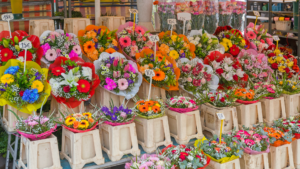
Wazemmes Market offers a classic outdoor market experience that captures the essence of French street markets. Visitors can explore a variety of offerings, from fresh foods, vibrant flowers, and produce to exquisite fabrics international products. One of the largest markets in France, Wazemmes Market exudes a charming “Soho” atmosphere, combining a bustling energy with a touch of cultural flair.

Market Hours:

Tuesday, Thursday and Sunday from 7.00 am to 2.00 pm.

Covered market from Tuesday to Saturday from 8.00 am to 8.00 pm

Sunday and bank holidays from 8.00 am to 3.00 pm

Public Transport:

Metro 1, stop Gambetta

Location: Place de la Nouvelle Aventure, 59000 Lille, France


5. Palais des Beaux Arts

Palais des Beaux Arts stands as one of the largest and most prestigious art museums in France. Established in 1892, this cultural institution boasts a rich tapestry of artistic treasures that span centuries. Among its illustrious collection are antique pieces that date back to the 2nd century BC, alongside masterpieces by renowned artists such as Donatello, Monet, El Greco, and Picasso. The museum’s diverse offerings provide a captivating journey through the evolution of art, making Palais des Beaux Arts an invaluable destination to visit in Lille.

Hours:

Monday 2 p.m. to 6 p.m.

Wednesday to Sunday 10 a.m. to 6 p.m.

Closed Tuesdays, 1 January, 1 May, 14 July, 1 November, 25 December

Public Transport: 

  • Metro – line 1, station: République Beaux-Arts
  • Bus – Bus lines 12 and 18, Citadine de Lille, Liane 1 and 90
  • Taxis – Lille railway station, Place Richebé
  • Parking – Place de la République – 300 spaces
  • Access for disabled visitors at the side of the building, on Boulevard de la Liberté

Location: Pl. de la République, 59000 Lille, France


Photo Credits: 

  • Cover Photo: Canva Free Media License
  • Photos 1 – 4: Canva Free Media License
  • Photo 5: Bloempot Instagram – see original post
  • Photo 6: Canva Free Media License
  • Photo 7: La Biche & Le Renard Instagram – see original post
  • Photos 8 – 14: Canva Free Media License

Les Halles de La Maillerie

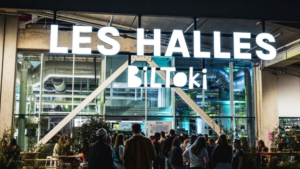
If you are curious to get to know La Maillerie, you must discover the culinary utopia known as Les Halles de la Maillerie. Nestled in La Maillerie near the border of Belgium, Les Halles de La Maillerie is one of the many innovative Biltoki food markets scattered around France. Here, friends, families and local artisans connect over delicious food, refreshing drinks, and regional specialities. Les Halles de la Maillerie has become a well-known destination, firmly establishing itself as a cornerstone of the culture in Villeneuve d’Ascq, Croix, and the surrounding areas.


The History of Les Halles – What is Biltoki? 

Les Halles de La Maillerie 12

Les Halles de La Maillerie is part of the Biltoki food market network. This is a global network of marketplaces focused on reimagining the traditional market experience. The concept of Biltoki was brought to life by four visionary co-founders, all from the French Basque country: Jerome Lesparre and the Alman brothers –Romain, Bixente, and Xabi. In fact, “Biltoki” is a Basque word which means “a place for people to gather.” 

Biltoki’s remarkable journey began in 2009. This group of co-founders made a collective decision to leave their established careers and return to the French Basque Country. Initially interested in real estate projects, their path took an unexpected turn in Anglet, France when they stumbled upon a historic building with vacant space. Determined to create something meaningful, they sought input from the local community. They quickly uncovered a resounding desire for a fresh food market. The founders began recruiting local vendors and artisans, wanting to highlight local and regional specialities. Soon, Biltoki’s inaugural venture, the “Halles des 5 Cantons” was born. 


Biltoki markets today 

Les Halles de La Maillerie 14

Nearly 14 years later, Biltoki markets have a presence in seven cities. They even have plans to expand into several different countries. At the heart of Biltoki’s mission is the commitment to uniting the finest local artisans in each town. They shine a spotlight on the both unique and popular products crafted by these local artisans, celebrating the unique flavors and culture of each region. 


Opening Les Halles de La Maillerie

Les Halles de La Maillerie 15

In December 2021, Biltoki ventured into Northern France with the opening of Les Halles de La Maillerie. This marked a significant milestone for the co-founders, as it was their first project in this region. Spanning just over 1000 square meters, Les Halles de La Maillerie can host up to 25 independent vendors. Here, local artisans from Villeneuve d’Ascq, Croix, and other areas in Lille are able to find new sales opportunities and increased visibility.

Les Halles has a variety of food vendors and goods to explore. These include merchants of wine, cheese, sweets and fresh produce. Plus, you’ll find butcher’s shops, coffee stations, bakeries, fish & chips, and italian specialities. With so many culinary offerings, you can visit the weekly markets at Les Halles many times and always try something new. 

Les Halles de La Maillerie 16

Les Halles Biltoki resides in an old historic building, formerly home to the renowned 3 Suisses e-commerce company. Its transition into a Biltoki food market was more than just a renovation. The transformation was meaningful, breathing new life into a space steeped in local history. The founders were also drawn to the evolving district project and renovations taking place in La Maillerie. Our team at Urban Campus is thrilled to play a role in this district project, with our new coliving space opening in La Maillerie in 2024. 

Les Halles de La Maillerie stands out for its warm and familial ambiance. The market is defined by a sense of close-knit community and familiarity. Loyal customers are always returning to their favorite tables, snacks, and cherished merchants. There are also a plethora of events and activities like live music concerts, food festivals, tastings and culinary events, and even karaoke. These events enliven the local community, further cementing Les Halles as an essential part of La Maillerie’s cultural fabric. 


Café Biltoki

At every Biltoki market, you’ll find the heart and soul of the venue – the Café Biltoki. These bars and cafés, owned and operated by the founders themselves, serve as a common thread connecting the diverse array of Biltoki markets. Whether you’re craving a glass of wine, shot of espresso, or some engaging conversation, the café is the perfect place to do so. Beyond serving visitors, this is also a place where vendors can gather after a day of hard work.

The Biltoki Cafés epitomize the four fundamental values that define Biltoki. These are authenticity, commitment, audacity and hospitality. Authenticity is paramount, as Biltoki is a family-owned business and strives to remain true to its roots. Commitment drives their efforts to positively impact communities through urban revitalization and local artisan support. Audacity fuels their innovative and boundary-pushing approach, challenging norms and trends. Lastly, hospitality is at the core, creating warm and inviting marketplaces where everyone feels welcome. 


Where to find Les Halles de La Maillerie 

Directions

64 allée des Mannequins, 59650 Villeneuve d’Ascq

Bus 32: station le sart nord

Tram: station le sart

Subway: station croix centre

Hours

Monday: closed

Tuesday – Wednesday: 8h00 – 14h30, 16h30 -19h30

Thursday – Friday: 8h00 – 14h30, 16h30 – 22h30

Saturday: 8h00 – 22h30

Sunday: 8h00 – 15h


Photo Credits: 

  • Cover Photo: Halles de La Maillerie Instagram – see original post
  • Photo 1: Canva Free Media License
  • Photo 2: Halles de La Maillerie Instagram – see original post
  • Photo 3: Halles de La Maillerie Instagram – see original post
  • Photo 4: Halles de La Maillerie Instagram – see original post
  • Photo 5: Canva Free Media License
  • Photo 6: Canva Free Media License

September 14th, 2023

  • In Interiors writes about Urban Campus’ expertise in Build-to-Rent (BTR) real estate, reflecting on the general growth of coliving and BTR opportunities. 


What is Build-to-Rent?

Build-to-Rent (BTR) is an Anglo-Saxon concept that spans much broader than just coliving. Urban Campus, founded in 2016 and with current operations in France and Spain, specializes in BTR. Build-to-Rent involves an investor purchasing an entire building for rental purposes and entrusting its management to a professional operator, like Urban Campus. BTR buildings typically include some form of private living spaces, ranging from shared rooms to one-bedroom or two-bedroom units. They also offer various shared spacious and optional services tailored to different target demographics.

Build-to-Rent differs from coliving in several ways. In coliving, rent typically includes utilities, internet, and cleaning services. Build-to-rent apartments may not always be furnished, and the services tend to be more varied. BTR complexes still feature shared amenities like coworking spaces, communal kitchens, fitness rooms, and game rooms. In both cases, common spaces are accessible to residents without the need for reservations or additional payments, creating a unique blend of private and shared living experiences.


Advantages of Build-to-Rent Real Estate

In Interiors and Urban Campus discuss Build-to-Rent Real Estate

Maxime Armand, co-founder and director of operations at Urban Campus, emphasizes the benefits of BTR. Some advantages include well-designed apartments with essential amenities, simplified daily living, convenient services, and a strong sense of community. He also discusses Urban Campus’s ambition to create residential products that cater to a wider audience, building upon their current expertise in France and Spain.

Urban Campus is actively working on several Build-to-Rent projects in collaboration with real estate partners and investors. These projects include apartment complexes with various unit sizes, shared spaces, and additional amenities. Urban Campus aims to expand its portfolio to manage approximately thirty residences by 2026.

Read the original article from In Interiors here.

Have you heard of coworking? 

In a world where work dynamics are frequently shifting, coworking has become a game-changer. In 2020, many of us became remote workers and enjoyed the flexibility of working from home. But as we slowly swapped suits for pajamas and office spaces for bedrooms, the value of office socialization became evident. On the other hand, the traditional routine of dressing up and commuting to an office Monday – Friday remains largely unappealing. The benefits of coworking spaces help solve this dilemma. Coworking blends these two worlds for a healthy balance of work autonomy and community. 


Why are coworking spaces important? 

The Benefits of Coworking Spaces

In its most basic definition, a coworking space is a neutral space where individuals from various professional backgrounds come together to work. Coworking spaces are havens for freelancers, digital nomads and remote workers. They also welcome employees whose companies opt for a flexible workspace. In the shared office, there are people from different companies and industries, fostering a vibrant cross-pollination of ideas and collaborations. Plus, coworking spaces often boast many shared amenities you’d find in a traditional office.


History of the coworking revolution

The Benefits of Coworking Spaces 1

The concept of coworking emerged in the early 2000s, offering freelancers a much-needed alternative to working from home or local cafes. Prior to this, the concept of coworking can be traced to “Hackerspaces” created in Berlin in the 1990s. These spaces were designed to welcome and foster work collaboration among different computer enthusiasts. 

The term “coworking” was officially coined by Bernard DeKoven in 1999, initially emphasizing a collaborative work approach rather than a physical space. In the following years, coworking spaces as we know them today started appearing in Vienna, Austria (2002), and San Francisco, USA (2005). Starting in 2006, the number of coworking spaces worldwide doubled annually, and this trend continued for seven years straight. 


What are the benefits of coworking spaces?

Many notable businesses like Instagram, Uber, and Spotify all had their beginnings in coworking environments. Now, in 2023, there are over 5 million coworkers and 19,000 coworking spaces globally. Let’s take a look at some of the benefits of coworking spaces that have helped to fuel this rapid growth.


Coworking reduces loneliness  

The benefits of coworking spaces

Anyone who has worked completely remotely knows that loneliness can be a real challenge. One of the remarkable benefits of coworking spaces is the opportunity to build meaningful community. These spaces encourage professionals from various backgrounds to exchange ideas and build relationships beyond their own companies and fields. Working in a coworking space eliminates the solitude of a home office, and gives you potential for more professional connections and friendships. On average, 89% of members report being happier after joining a coworking space.  


Productivity and creativity

Coworking spaces have proven to be instrumental in boosting productivity, with a staggering 74% of coworkers reporting increased efficiency. This surge in productivity is attributed to the heightened social and collaborative atmosphere. Additionally, coworking spaces offer a greater degree of job control, allowing coworkers to tailor their work environment to suit their preferences. Whether it’s opting for a quiet, focused corner or a more social, interactive setting, coworking spaces empower professionals to customize their work experience. This ultimately contributes to enhanced productivity.


Business tools & support 

Coworking spaces offer many crucial resources that parallel those found in conventional office settings. These resources typically include meeting rooms and collaborative workspaces, plus fundamental tools like printers and copiers. Depending on the coworking space, you can also expect to find coffee makers, lockers, bike racks, community managers, and sometimes special features like meditation rooms and creative studios. These tools are a cost-effective solution for freelancers and digital nomads who often lack access to essential work resources. 


Hotspots for collaboration & networking opportunities  

Coworking spaces are dynamic hubs for collaboration and networking opportunities. These spaces foster an environment where individuals from diverse backgrounds can all interact, fueling opportunities for connection, ideation, and meaningful relationships. With professionals working on a wide range of projects and ventures, coworking spaces naturally facilitate networking. It is easier to to create fresh ideas, foster collaborations, and even ignite new career possibilities.


Coworking with Urban Campus 

If you’re intrigued by the concept of coworking, explore our Urban Campus spaces.

At Urban Campus, we offer premium coliving spaces, each featuring an integrated coworking area. This coworking facility is seamlessly included in your rental package, alongside an array of communal amenities, including lounges, terraces, shared kitchens, and fitness centers. You have the flexibility to choose from a variety of private accommodations, whether it’s rooms, studios, or apartments, all while enjoying social environments of our shared spaces. Moreover, we host weekly events to facilitate socializing and community-building, helping you get connected with a supportive community.


Photo Credits: 

  • All external photos used through Canva Free Media License

Did you know that Madrid hasn’t always been the capital of Spain? 

That’s right – Toledo served as the capital of Spain for almost 200 years. Toledo is one of the most heralded cities in all of Spain, known for its renowned culture and deep history. The city is filled with stunning views, historic architecture and many authentic elements of Spanish culture. Come with us and discover more about one the best day trip from Madrid – Toledo, Spain.


Toledo’s unique history 

The best day trip from Madrid - Toledo, Spain 2

Toledo served as the capital of Spain from 542 to 725 CE, after the decline of the Roman Empire. The city sits atop a steep rock and is defined by its proximity to the Tagus river, which surrounds it on three sides.

The Tagus river is the longest waterway in the Iberian Peninsula. It stretches from Spain’s eastern Albarracín region all the way to the Atlantic Ocean near Lisbon, Portugal. Toledo remains the capital of the Spanish autonomous community Castilla-La Mancha and is a popular destination for tourists and spaniards alike. 

The City of Three Cultures

Often called the “City of the Three Cultures,” Toledo, Spain has a unique mixture of Christian, Islamic, and Hebrew culture. These 3 cultures coexisted peacefully for centuries, which led to a natural interchange of traditions, architecture and art. In 1986, Toledo was designated a UNESCO World Heritage Site due to its rich cultural heritage, highlighting its significance in preserving the shared history of these diverse communities. You will still find cathedrals, mosques and synagogues throughout the city, each embellished with remarkable detail. 

Wondering what to do in Toledo? Check our recommendations below.  Grab your fellow colivers and take a day trip from Madrid to Toledo, Spain!


Puente de Alcántara

The best day trip from Madrid - Toledo, Spain 3

The Puente de Alcantara is one of the most beautiful historic bridges in Toledo. Dating back to Roman times, it once served as the sole gateway for pilgrims entering the city. The bridge gracefully spans the Tagus River, offering a timeless connection between past and present. A visit during the night is especially enchanting, as the lights of the city and the nearby Alcazar create magical views of Toledo. 


The Alcázar of Toledo 

The best day trip from Madrid - Toledo, Spain 4

The Alcázar of Toledo, perched at the city’s highest point, is an ancient fortress with a rich history. It has served different purposes over the centuries as a royal residence, fortress, and official government building. Nowadays, it houses a military museum dedicated to the Spanish army. Don’t miss the impressive views from the top balcony, offering a one-of-a-kind perspective of the city. 


Cathedral Primada

The best day trip from Madrid - Toledo, Spain 5

The Cathedral Primada is the city’s primary cathedral and a must-see attraction in Toledo. It has a striking Medieval Gothic style, and showcases an art gallery with renowned artists such as El Greco, Goya, and Velázquez. Want a panoramic perspective? You can climb to the cathedral’s 44-meter-tall tower to see panoramic views of the city. 


Monastery of San Juan de los Reyes 

The best day trip from Madrid - Toledo, Spain 6

Nestled in the heart of Toledo’s historic Jewish quarter is the Monastery of San Juan de los Reyes. Completed in 1495, the monastery is a splendid example of Elizabethan Gothic style, with coffered, high ceilings and elegant buttresses. Plus, there are lush gardens that offer a place for stillness and reflection. As one of the most important structures commissioned by the Catholic Monarchs, this monastery stands as a testament to their legacy. 


Puy du Fou

The best day trip from Madrid - Toledo, Spain 7

A visit to Puy du Fou promises an unforgettable experience immersed in history and captivating storytelling. Puy du Fou is a spectacular park with immersive theatrical shows that have earned national acclaim. These shows recreate historical tales, bringing the past to life with actors, costumes, and elaborate sets. The park also offers options for dining, accommodations, and mesmerizing fireworks displays at night.


Mirador del Valle

The Mirador de Valle is the ultimate vantage point. It has a reputation for the best views of Toledo, as you can see the entire cityscape and the winding river below. This breathtaking outlook inspired the iconic landscape painted by El Greco in his masterpiece, “Vista de Toledo”. You can walk to the Mirador del Valle from the Puente Nuevo de Alcántara, or take the convenient Trainvision from Plaza de Zocodover. 


Plaza de Zocodover

The Plaza de Zocodover, Toledo’s central square, is a bustling hub that links together many of the city’s main attractions. Serving as the historic heart of Toledo, it has long been a vital point of connection for the city’s residents and visitors. In the past, Zocodover was the go-to venue for trading horses and other animals. Today, it is adorned with diverse historical monuments, making it an ideal starting point for exploring the city’s rich heritage and vibrant culture.


Take a sword tour 

Toledo steel is known worldwide for its exceptional quality and craftsmanship. Toledo has long been a prominent center for traditional sword-making and metalworking. The distinctive Toledo steel technique involves encasing a steel blade within a wrought iron strip, a method designed to prevent the steel from bending or cracking. This meticulous craftsmanship gave rise to the belief that Toledo steel weapons possessed a “soul of iron,” known for their remarkable strength and durability. 

While the tradition of sword-making has become less prominent in recent years, a dedicated group of sword makers in Toledo continue to preserve and carry forward these ancient techniques. You can visit their shops and even take a tour to learn more about their craftsmanship.


How to get from Madrid to Toledo 

Traveling from Madrid to Toledo is an easy trip. You can head to the train station and take a high speed train, which takes approximately 30 minutes and costs 14 euros one-way. Alternatively you can take a bus, which is a one hour journey for approximately 6 euros. If you prefer flexibility, driving by car is another easy option, which takes around one hour. 

Whichever mode of transportation you choose, you certainly won’t regret taking one the best day trip from Madrid – Toledo, Spain. 


Photo Credits: 

  • All photos used through the Canva Free Media License

September 6th, 2023

  • Urban Campus announces the opening of Cuatro Caminos II for 2024. This project is the second phase of the Cuatro Caminos Madrid Coliving, already operated by Urban Campus and located on Topete Street.

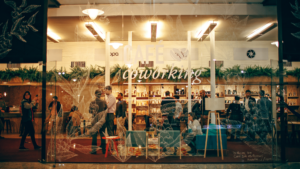
  • This new coliving meets significant sustainability benchmarks. The project is build in alignment with the passivhaus standard, is carbon neutral, and will serve as a renewable energy producer. 
  • Cuatro Caminos II will be the first coliving space with a wooden structural framework in all of Spain. 
  • The developer and investor is the French group Batipart.


Cuatro Caminos II

Urban Campus announces the opening of Cuatro Caminos II

Urban Campus, in partnership with Batipart, continues their leadership in the coliving space.

They are embarking on an innovative venture, constructing the very first coliving space with a wooden structural framework in all of Spain. Situated in the vibrant Tetuán district of Madrid, Cuatro Caminos II Madrid Coliving represents a significant step forward in the field of coliving, championing environmental sustainability and resource efficiency. This project is the second phase of the Cuatro Caminos Madrid Coliving, already operated by Urban Campus and located on Topete Street.

Cuatro Caminos II Madrid Coliving will span approximately 1,825 square meters with 32 units (rooms in clusters), each equipped with private bathrooms, shared kitchens and lounges. Residents will enjoy an array of amenities characteristic of Urban Campus coliving spaces. These include coworking zones, fitness facilities, a shared kitchen, an interior courtyard, terraces, and bicycle parking.


Leadership in Carbon Neutral Emissions

Efficiency and sustainability are at the heart of Urban Campus’s mission, and this project exemplifies their commitment. Many of the company’s buildings already hold prestigious sustainability certifications like BREEAM. However, Cuatro Caminos II Madrid Coliving stands out as their first project featuring a wooden structural framework, marking a pioneering achievement in Spain’s coliving landscape.

Furthermore, this coliving facility will be constructed in line with the Passivhaus standard and will achieve carbon neutrality, resulting in an impressive 80% reduction in energy consumption for its residents. The building will even serve as a renewable energy producer, generating 20 kWp of photovoltaic power. Notably, excess renewable energy will partially supply the neighboring building, the first phase of the coliving project, which is already operational. Thanks to its wooden structure and high-efficiency measures, the building will hold a CO2-neutral certification throughout its lifecycle.


The Growth of Urban Campus

Casilda Mulliez, head of Real Estate and Business Development at Urban Campus, expressed the importance of this project. “This new project is a significant reflection of Urban Campus’s strategic direction: leading new residential models that are not only efficient but also sustainable. We are one of the largest coliving operators and leaders in carbon-neutral assets, positioning us as a market reference.”

This is a collaborative project in which several actors are involved. Batipart, as developer and investor; sAtt, as architectural firm and Artelia as Project Manager, among others. Urban Campus has already participated in the development of the coliving architecturally and will participate in the design and conceptualization of the interior. They will also be in charge of managing the building.

Cuatro Caminos Madrid Coliving Phase I is already operational, while construction has commenced on the second building. The grand opening of Cuatro Caminos II Madrid Coliving is scheduled for the last quarter of 2024.