Are you interested in living in Madrid? Well, you couldn’t have chosen a better city. 

Madrid, the remarkable capital city of Spain, is filled with history, culture and intrigue. Every street tells a story and every corner brings a new adventure. 

When moving to any new place, it is normal to feel a mixture of excitement, nervousness, and curiosity. It is important to remember that patience will be your best companion when living in Madrid, especially when navigating the intricacies of Spanish bureaucracy. To ease your transition into this iconic Spanish city, we’ve crafted a guide that highlights some of the essentials for expat life in Madrid. 


Living in Madrid: Madrid Public Transport 
Things to know before living in Madrid 7

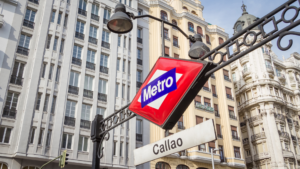
Navigating Madrid is a breeze thanks to its world-class public transportation system. The city boasts a comprehensive network. In fact, Madrid has the second-largest metro in Europe and the sixth-largest globally. With over 300 metro stations spread across 12 different lines, accessing every key area in Madrid is convenient and efficient. Not to mention, the metro system is complemented by extensive bus routes and readily available self-service bikes. 

For occasional travelers, the Madrid Metro offers a temporary card system. The purchase of 10 single tickets costs about €12, plus a one-time fee of €2-3 for a reusable card. You can refill this card as needed. If you have any questions, assistance is readily available at metro stations for any queries or help with ticket machines.

For regular commuters, the “abono” personal transport card is a more economical and hassle-free option. To obtain this card, you’ll need a standard passport-sized photo and an original ID document (EU ID, Spanish residency card, or passport). The application process, which can be initiated here, involves a one-time fee of €5 and takes about 10 minutes to complete. Once issued, you can load the card with a 30-day unlimited transport pass.

Madrid’s public transport zones are divided into Zone A (central Madrid) and Zone B (the outskirts). The monthly abono pass rates vary by age group and zone:

  • Youth Tickets or “Abono Joven” (7 – 25 years): €20/month for access to both Zones A & B.
  • Standard Tickets (26 – 64 years): €54.60/month for Zone A and €63.70/month for Zone B.
  • Senior Tickets (65+): €3.30 for access to both Zones A & B.

Abono Joven

The “Abono Joven” in Madrid, which is a transport pass specifically for young people, is priced at 20 euros and is valid for travel in all zones. In 2023, there were special discounts for this pass: it was priced at 10 euros in January and 8 euros from February to June. These reduced prices were part of a promotion, as the regular price for the Abono Joven is 20 euros. 

To monitor potential discounts and updates for the Abono Joven card in Madrid, you can visit the official website of the Community of Madrid’s transportation services. Additionally, balance inquiries and discount information can also be checked through the official Metro de Madrid website. These sources are regularly updated with the latest information regarding fares, discounts, and any special offers associated with the Abono Joven card. 


How to get the Empadronamiento in Madrid

Things to know before living in Madrid 2

The “Empadronamiento” or “Padrón” certificate is a mandatory official document in Spain. The document registers your residential address in the local municipal records. It’s essential for every resident, whether a Spanish national or a foreigner, to acquire this certificate, ideally within the first month of their stay in Spain. This certificate is often required for various administrative procedures and is a prerequisite for obtaining your NIE (Foreigner’s Identification Number).

To successfully apply for the “Empadronamiento,” you must:

  • Complete the application form, which can be accessed here.
  • Present a valid passport and a photocopy of it for each individual being registered.
  • Submit proof of your residence address in Spain.
  • Schedule an appointment through the provided link, selecting “Padrón” as the category and then choosing “Certificado de Empadronamiento” as the service.

Securing this registration is a crucial step in establishing legal residency and accessing services in Spain.


How to obtain an NIE number in Spain

Things to know before living in Madrid 3

The “NIE” (Número de Identidad de Extranjero) serves as a Foreigner Identity Number in Spain. It is an essential identification document, different from a tax identification number, and is closely linked to your residence status and social security within the country. For individuals planning to reside in Spain for over three months, obtaining an NIE is a legal necessity. This is applicable to both EU and non-EU citizens.

Acquiring an NIE requires in-person application; the number cannot be processed online. It’s advisable to schedule your appointment in advance, preferably before your arrival in Spain, to ensure a smoother process.


How to schedule an NIE appointment? 

Things to know before living in Madrid 1

Scheduling an NIE appointment in Madrid is a straightforward process that can be completed online. Individuals planning to move to or work in Spain must request an appointment through the official website of the Spanish government. 

To begin, select the province where you will reside, in this case – Madrid. The website provides a step-by-step guide, allowing you to choose the relevant service and available time slots. It’s essential to prepare and bring the necessary documents, including your passport and any other required paperwork, to the appointment. Due to high demand, it’s advisable to schedule your appointment well in advance of your planned move to Spain​​​​​​.

At your appointment, you will need: 

  • A completed NIE application form.
  • Your original passport, valid and current, along with a photocopy.
  • Two recent, passport-sized photographs of yourself.
  • Payment of the €10.71 government fee.


How to set up a bank account in Spain
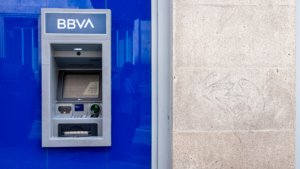
Setting up a bank account in Spain, while not mandatory, is highly advisable for those planning to reside in the country. It streamlines your financial transactions, saving you from the often costly currency conversion fees and credit card commissions.

In Spain, you’ll encounter two primary categories of bank accounts:

  • Resident Accounts: Intended for individuals who have established residency in Spain.
  • Non-Resident Accounts: Designed for individuals residing outside of Spain.

It’s worth noting that opening a non-resident account may be simpler, but resident accounts typically offer greater flexibility and benefits.

The following documents are typically required to open a bank account in Spain:

  • Valid passport as proof of identity.
  • Your NIE (Número de Identidad de Extranjero) or Foreigner Identity Number.
  • Proof of address, such as a utility bill or rental agreement.
  • Evidence of your employment status, like a student card or employment contract.

Several banks in Spain, including LaCaixa, Bankinter, Santander, and Sabadell, may offer account opening services without requiring an NIE number.

Spanish banks generally operate from 8:30 AM to 2:30 PM, Monday to Friday, so be mindful of these hours when planning your visit. 


It’s Time to Enjoy Madrid!

Now that you’ve got all of the logistics taken care of, it is finally time to embrace Madrid for the incredible city that it is. 

Madrid, the vibrant capital of Spain, is renowned for its high quality of life, a factor that continually attracts expats from all corners of the globe. The city offers a unique blend of historical splendor, exemplified by landmarks like the majestic Royal Palace, and modern comforts. Madrid has a rich culture, evident in iconic spots like Plaza Mayor. Plus there are a plethora of opportunities for both work and leisure, making Madrid a sought-after destination for those seeking an enriching expat life.

For expats, Madrid offers an appealing balance between professional opportunities and a lifestyle that allows for personal growth and exploration. The ability to work remotely has opened doors for many to live in Madrid while maintaining ties to their home country. The city’s well-connected transport system, vibrant social scene, and the plethora of cultural experiences ensure that living in Madrid is never dull. 

This dynamic blend makes Madrid stand out amongst other European capitals, providing an alluring mix of traditional Spanish charm and contemporary living for its diverse expat community.

Explore more about Madrid here: 


Photo Credits: 

  • All photos used through the Canva Free Media License

Welcome to Madrid’s Vegan Scene!

Madrid, a capital city known for its rich culture and culinary diversity, has seen a significant surge in vegan options over the past few years. Gone are the days when vegan restaurants were a rarity; today, Madrid boasts a thriving vegan scene that caters to all palates.

The city’s shift towards veganism isn’t just a trend, it’s a reflection of a growing global awareness around healthy eating and sustainability. Madrid’s culinary landscape continues to evolve, with chefs and restaurants of all types embracing plant-based ingredients to create mouthwatering dishes.


The Best Vegan Restaurants in Madrid

Mad Mad Vegan

The Best Vegan Restaurants in Madrid

Mad Mad Vegan is a gem for those seeking a contemporary vegan dining experience in Madrid. This restaurant is celebrated for its innovative and flavorful plant-based meals, especially known for towering plant-based burgers, scrumptious fries, and delectable desserts like brownies and tiramisu. It’s a go-to place for vegans who crave variety and taste. They have 2 locations, one in Chueca and the other in Lavapiés. 

Distrito Vegano

Distrito Vegano is an elegant restaurant with chic interior design and plenty of space. The restaurant’s menu is impressive to say the least. They offer a delectable classic breakfast menu, plus additional highlights that include Thai and Japanese burgers, Smoked Galette, and Boeuf Bourguignon. 

VEGA

The Best Vegan Restaurants in Madrid

VEGA, situated in the center of Madrid, combines artistic presentation with high-quality ingredients. The 100% vegan menu features a wide range of options such as tacos, pizzas, burrata, eggplant teriyaki, poke, hamburgers, and ever-changing options of new dishes.

Freedom Cakes Cafe

The Best Vegan Restaurants in Madrid

Freedom Cakes Cafe in Madrid offers plant-based alternatives to classic American diner food. That’s right – this cafe has a 100% vegan menu with milkshakes, high stacks of pancakes, bagels and more. There are also hearty lunch options like tacos and hamburgers. The interior of Freedom Cakes Café is brightly decorated, evoking the nostalgic ambiance of an old-fashioned 50s diner. It is a certainly an unforgettable dining experience! 


Vegan Cafés & Brunch

Bite Me Café

Bite Me Café is known for its innovative range of vegan donuts, offering one-of-a-kind flavors like carrot cheesecake, vanilla matcha, and jalapeño popper. They even introduce a new flavor every week! But the cafe isn’t just about donuts; they also serve a variety of breakfast, brunch, and lunch options, including bagels and sandwiches. 

VegAmazing Doughnuts 

The Best Vegan Restaurants in Madrid

VegAmazing Doughnuts stands out for its handcrafted, 100% vegan donuts, showcasing a range of creative flavors such as lavender and tiramisu. Imagine donuts that are the size of your face! Additionally, customers can indulge in soft, melty cinnamon buns and high-quality coffee.

Zenith Brunch & Cocktails – Valverde

Zenith at Valverde is a fantastic destination for vegan brunch enthusiasts in Madrid. Famous for its brunch and cocktail menu, Zenith has 2 locations (Malasaña and near Gran Via). The menu includes a variety of starters like nachos, hummus, and banana bread, plus breakfast options like pancakes and açaí. If you’re looking for something heavier, you can choose from burgers, salad bowls, jackfruit tacos and even vegan shakshuka! 

While not exclusively vegan, Zenith provides plenty of vegan options. Their drink deals are also unbeatable – for example, 1 liter of mimosas for 25 euros!

Santa y Pura

The Best Vegan Restaurants in Madrid

Santa y Pura presents a laid-back vegan bar ambiance, offering a fusion yummy snacks and tapas. Think sandwiches, toasts, burritos, and pizza. To complement the food, Santa y Pura also has a nice selection of wines, beers, and kombucha.


Vegan Restaurants with International Food

Kathmandu Tandoori House

For those craving vegan-friendly Indian and Nepali cuisine, Kathmandu Tandoori House in Madrid is a top choice. While not exclusively a vegan restaurant, it’s highly accommodating of vegan preferences. They offer richly spiced, flavorful choices with a willingness to carefully work around food intolerances. 

Choose

The Best Vegan Restaurants in Madrid

Choose, located in the artistic La Latina neighborhood, epitomizes Italian cuisine in a vegan format. This Italian restaurant is renowned for its diverse and authentic menu, offering traditional foods like Arancinetti, Carbonara, and Gnocchi – all 100% vegan. 

Los Andenes Vegan

In Chamberí, Los Andenes Vegan has a menu of traditional Peruvian food with purely vegan ingredients. The menu features a diverse selection ranging from Alfredo noodles to vegan pork rinds, plus fish-style bites, hamburgers, empanadas, and fried sweet potatoes. 

Pizzi & Dixie

Pizzi & Dixie stands out as another must-visit destination for Italian cuisine lovers in Madrid. This restaurant specializes in vegan pizzas and pastas, adhering to a 100% plant-based menu. They pride themselves on using fresh quality products, with a large variety of fresh pasta and artisanal pizza doughs prepared in the Neapolitan tradition.


Health-Focused Vegan Restaurants

Hakuna Matata Veggie

Hakuna Matata Veggie has a casual and welcoming atmosphere in Madrid, ideal for those who prefer health-conscious dining. This restaurant is known for its wide range of nutritious vegan meals, including cheese boards, lentil burgers, and flavorful stir-fries with heura and beyond meat. Their rice-based dishes are also highly acclaimed. 

Almalibre Açaí House 

The Best Vegan Restaurants in Madrid 2

For açaí enthusiasts, Almalibre is as good as it gets. You can create your own personalized açaí bowl with a variety of toppings, including fruits, seeds, chocolate, peanut butter, and coconut flakes. Beyond açaí, they have a comprehensive vegan menu featuring diverse options such as wraps, hearty sandwiches, quinoa bowls, and even plant-based hot dogs. The ambiance is enhanced by the presence of lush green plants and pastel furniture, perfect for a laid-back meal.

Level Veggie Bistro

Located on the edge of Retiro Park in Sainz de Baranda is Level Veggie Bistro. This restaurant stands out with its elegant setting and a focus on fresh, wholesome vegan cuisine. The diverse menu ranges from lasagna to sushi to vegetable woks, complemented by a full dessert selection. 

Masa Madre Vegan Food

Masa Madre Vegan Food is located on the outskirts of Madrid and recognized for its artisanal approach to vegan cuisine. They focus on homemade, high-quality dishes made with whole ingredients. Masa Madre offers a variety of options including a pea protein burger, rigatoni, and curry, with an emphasis on sustainable packaging and a dog-friendly environment. Plus, they gluten-free options available! 


Hungry for more recommendations? Check out more of our food-related articles…


Photo Credits: 

Do you live in Lille, France? Lille is a vibrant city in Northern France known for its rich history, cultural diversity, and picturesque urban environment. Whether you’ve moved for work, study, or personal reasons, Lille offers a unique blend of traditional French charm and modern lifestyle. This guide is designed to help new residents like you settle in and embrace life as a new resident in Lille.


Public Transportation in Lille

Must Do's if you Live in Lille, France

Lille’s public transport network is notably user-friendly and comprehensive, comprising two metro lines, M1 (yellow) and M2 (red), which are simple to navigate. This metro network is much easier to understand compared to those in Paris and larger cities in France.  

Additionally, Lille offers an electric tramway for travel to neighboring areas such as Roubaix, Tourcoing and La Maillerie. For faster travel to these nearby towns, the Transport Express Régional (TER) is another option. The city is also serviced by several bus lines covering the entire Lille Metropole (MEL) area, complemented by the V’Lille self-service bicycle system.

Upon arrival in Lille, visitors can purchase a “Pass Ticket” for occasional travel at metro stations. This ticket allows for various types of journeys:

  • Ticket ZAP: Valid for travel up to 3 metro stations at €1.15.
  • Ticket 1h: Provides unrestricted access to all modes of transport, except V’Lille, for €1.80.
  • Booklet of 10 unit trips: Costs €15.40, offering multiple trips at a discounted rate.

For regular use of the metro and bus lines across the Hauts-de-France region, a “Pass Pass” card is recommended. This subscription card enables unlimited travel across the public transport network, as it is usable on the metro, bus, tramway, and V’Lille bicycles. The card is available for a one-time fee of €4. Then, it can be recharged with monthly (€62) or annual (€648, saving €8/month) subscriptions. 

How to get the Pass Pass card in Lille? 

The card can be obtained online through the Ilévia website, requiring the creation of a personal account and submission of identification and a passport-size photo. The card typically arrives in the mail within a week. Alternatively, you can get the card in person if you live in Lille. Simply visit any information point and complete the same process in-person.


Exploring Lille’s Neighborhoods

Must Do's if you Live in Lille, France

Each neighborhood in Lille has its own character and charm. From the city center and historic allure of Vieux Lille to the trendy vibes of Wazemmes, there’s something for everyone.

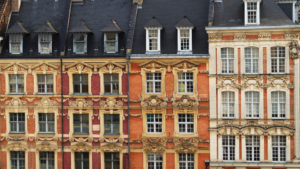
  • Vieux Lille: The historic heart of the city, Vieux Lille is a maze of charming cobblestone streets, luxury boutiques, and top-notch bistros. It’s a stunning area reflecting the rich history of Lille, especially the flemish architecture. 
  • Wazemmes: Known for its diverse culture and the bustling Wazemmes market, this area offers a blend of global cuisines and vibrant street life. It’s a perfect spot for those who enjoy an artistic atmosphere.
  • Euralille: This modern district showcases Lille’s contemporary side, with its innovative architecture, shopping centers, and business hubs. It’s a symbol of the city’s economic and urban development.


Cultural Hotspots

Life in lille is filled with art and culture. The city is a cultural hub, home to numerous museums, theaters, and art galleries.

  • Palais des Beaux-Arts: As one of France’s largest museums, this is a treasure trove of fine arts. There are collections ranging from medieval sculptures to modern paintings. 
  • LaM: For contemporary art enthusiasts, LaM is a not-to-be-missed destination, featuring modern art, contemporary sculptures, and outsider art. 


Lille’s Culinary Scene

Must Do's if you Live in Lille, France

French cuisine is world-renowned, and the food in Lille in no exception. The city offers a plethora of options to indulge in, with a range of both local and international flavors.

  • Traditional French Cuisine: From cozy cafes serving classic French pastries to elegant restaurants offering gourmet dishes, Lille’s culinary scene is a testament to France’s gastronomic reputation.
  • International Flavors: The city’s diverse population means a rich variety of international cuisines, including Moroccan, Vietnamese, and Italian, offering a taste of the world in the heart of Lille.


Outdoor Activities in Lille

If you live in Lille, you know there is no shortage of green spaces to explore. The city is surrounded by beautiful parks and green spaces, perfect for relaxation and outdoor activities.

  • Citadel of Lille: This historic fortress is not only an architectural marvel but also a green oasis. It is perfect for leisurely strolls, jogging, or picnics in its expansive park.
  • Bois de Boulogne: An expansive and popular green space for nature lovers. The park offers scenic paths, tranquil ponds, and ample space for outdoor activities.


Community Events

Get involved in the local community by participating in various events and festivals throughout the year.

  • La Braderie de Lille: This annual event transforms the city into a gigantic flea market, attracting visitors from all over Europe. It’s a unique experience combining shopping, food, and festive spirit.
  • Lille Christmas Market: Lille’s Christmas market is a winter wonderland, featuring charming stalls, festive lights, and a warm, joyful atmosphere.


Live in Lille: Tips for Settling In

Must Do's if you Live in Lille, France

  • Address Update: Ensure to update your address for essential services like banks, taxes, and health insurance.
  • Home Insurance: If you’re staying in the Urban Campus Saint So’ Coliving, remember to cancel your previous home insurance. Home insurance is included in your rent!


Photo Credits: 

  • All photos used through the Canva Free Media License

The Lille Christmas Market, or “Le Village de Noël de Lille”

Welcome to the Lille Christmas Market! Get ready for a dazzling showcase of festivities and French holiday traditions. This year, from November 22 – December 31, the Lille Christmas Market is set to captivate visitors with its unique blend of traditional French Christmas culture and local Lille charm.


🎄 Lille Christmas Market: A Centerpiece of Festive Celebrations

Explore the Lille Christmas Market! 1

The Lille Christmas Market is located in Place Rihour, in the bustling center of Lille’s historic district. Each year the market is filled with charming trinkets and homemade goods. However, this market is far more than just a shopping destination. Lille’s Christmas Market is a vibrant cultural hub where approximately 900,000 visitors come each year to experience the essence of French Christmas traditions.


The Spirit of Christmas in Lille

Explore the Lille Christmas Market! 4

The market is renowned for its beautifully decorated shops and architectural facades, embodying the “la joie de vivre” of the festive season. Here, you’ll find a plethora of activities that cater to all ages and interests.

🛍️ A Shopper’s Paradise

At the Lille Christmas Market, you can explore over 90 vendors who offer a diverse range of products. From local handcrafted items to international goods, the market is a treasure trove for finding that perfect holiday gift for your loved ones.

🎡 Views from the “Grand Roue”

Don’t miss the unforgettable experience of the “Grand Roue” (Big Wheel) at the Grand Place. The panoramic views from the top offer a breathtaking perspective of Lille’s festive lights and decorations.

🎅 Santa Village and French Christmas Traditions

In Theatre Square or Place du Théâtre, the Santa Village awaits with enchanting Christmas decor. This carefully constructed village is a perfect reflection of France’s rich Christmas traditions, where every corner brims with the spirit of festivity and the magic of French holiday cheer.

🎶A Musical Christmas

Every Friday night, live concerts bring the market to life, showcasing local talents and adding to the festive atmosphere. Lille’s community spirit shines through in these musical evenings. Be sure to check out the schedule and support the local artists! 


French Christmas Traditions: A Backdrop to Lille’s Festivities

Incorporating elements of French Christmas culture, Lille’s market offers a glimpse into the country’s holiday customs as a whole. From the grand Christmas Eve dinners to the regional delicacies, you can find many aspects of France’s Christmas culture incorporated throughout the Lille Christmas Market. 

🍽️ Culinary Delights

The market is a haven for food lovers, offering traditional French festive foods like foie gras, bûche de Noël, and regional specialties. You certainly can’t resist indulging in delicious mulled wine and Belgian waffles. 

🌲 Christmas Across France

While Lille’s market is unique, it is also part of a larger tapestry of Christmas markets across France. From the grand markets of Strasbourg to more intimate settings in smaller towns, French Christmas markets are a cornerstone of the holiday season throughout the country. 

🏰 Historical Significance

The Lille Christmas Market is not just a festive attraction but also a celebration of Lille’s rich history and cultural heritage. The historical center, with its Flemish influence, adds an extra layer of culture to the Christmas festivities.

🍺 Flemish Influence 

The Lille Christmas Market in France exhibits notable Flemish cultural influences and traditions. Lille’s proximity to Belgium and its historical connection to Flemish culture contribute to this unique blend. The market’s atmosphere and offerings reflect this influence in various aspects:

  • Cuisine: The food served at the market often includes Flemish traditional dishes, like Carbonnade Flamande and Belgian beef stew.
  • Architectural Style: The market is set against a backdrop of Flemish architecture, visible in Lille’s historical buildings and decorative styles.
  • Crafts and Goods: The stands at the market showcase Flemish-inspired crafts and goods, reflecting the cross-cultural exchange between the French and Flemish regions.
  • Brewing Traditions: Lille has a reputation as France’s beer capital. The city has a rich history of beer culture influenced by Flemish brewing traditions, which is evident in the markets’ extensive beverage options. 


Lille Christmas Market Schedule

  • November 22nd – 31 December 
  • From Sunday to Thursday: 11:00 am – 8:00 pm
  • Friday & Saturday: 11:00 am – 9:00 pm
  • December 24 & 30: 11:00 am – 6:00pm
  • Closed on December 25

Want to read more about Lille, France? 


Photo Credits: 

  • All photos used through the Canva Free Media License

So you’ve been thinking about traveling in France, but wondering…is Lille worth visiting? 

The answer is – absolutely! Lille, France – a city often overshadowed by its more famous French counterparts – is a hidden gem waiting to be discovered. Plus, it is an easy day trip from Paris.

From the architectural splendor of La Vieille Bourse to the lively atmosphere of Wazemmes Market, each destination in Lille offers a unique blend of tradition and modernity. Whether you’re a history buff, a foodie, or simply a curious traveler, the Lille attractions promise an unforgettable experience that will leave you wondering why this enchanting city isn’t on every traveler’s must-visit list of.


La Vieille Bourse (The Old Stock Exchange)

Is Lille Worth Visiting? 1

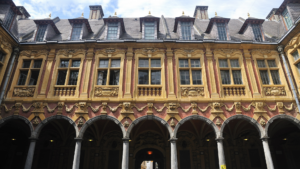
La Vieille Bourse is an architectural masterpiece. Once a bustling trade center, this 17th-century building is now a cultural and social hub. Its Renaissance-style courtyard, adorned with beautiful golden arches, is a tranquil oasis where locals and tourists alike browse through the second-hand bookstalls and vintage poster shops. The area comes alive with chess players and street performers, offering a vibrant snapshot of Lille’s community spirit.


Wazemmes Market

Is Lille Worth Visiting? 2

A bustling epicenter of Lille’s culture, the Wazemmes Market is a local tradition akin to Madrid’s “El Rastro”. The market is open three times a week throughout the year. It is particularly lively on Sundays, always showcasing an array of local products. From fresh produce to artisanal crafts, Wazemmes is a haven for foodies and shoppers. The neighborhood’s diverse culinary offerings, like the Lebanese falafel sandwiches, are a must-try. Locals often pair their market finds with a fresh baguette and relax in the surrounding restaurants, creating a quintessentially French experience.


Saint Sauveur Station

Is Lille Worth Visiting? 6

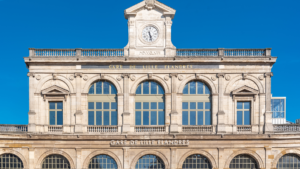
This repurposed railway station, just an 11-minute walk from the UC Saint So’ Coliving, exemplifies Lille’s knack for transforming historical sites into contemporary cultural spaces. It is a must when it comes to Lille sightseeing. Saint Sauveur Station is a dynamic venue that reflects the city’s artistic pulse. The site hosts a variety of events from live concerts to art exhibitions. Plus the on-site Bistrot Saint So’, nestled in the main building, offers a perfect spot for refreshments and local bites.


Belfry of Lille – Hôtel de Ville

Is Lille Worth Visiting? 3

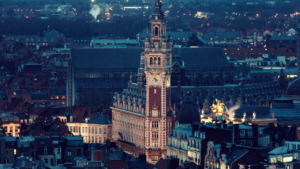
Dominating Lille’s skyline, the Belfry is a UNESCO World Heritage Site and Europe’s tallest belfry. Standing at 104 meters, it offers a panoramic view of Lille from the city hall. Climbing the belfry is both a physical challenge and a rewarding experience, unveiling a unique perspective of Lille’s urban landscape. The entrance fee of 7.50€ is a small price for such an unforgettable view.


Deûle Canal

Is Lille Worth Visiting? 4

Winding through Lille all the way to Belgium, the Deûle Canal is a picturesque waterway perfect for leisurely activities. Renting an electric bike and riding alongside the canal is a popular way to enjoy the scenery. Along the way, stop at “La Marquette” guinguette for a refreshing drink and to experience the local waterside culture.


Sebastopol Theater

Is Lille Worth Visiting? 10

A historical gem built in 1903, the Sebastopol Theater in the city center is a testament to Lille’s rich theatrical tradition. The theater is a focal point of Lille’s artistic scene. It offers a diverse program of concerts, plays, one-man shows, and international conferences. If you’re wondering “is Lille worth visiting?”, the ornate architecture and vibrant performances at this theatre can certainly help convince you. 


Citadel of Lille

Is Lille Worth Visiting? 7

Designed by the renowned military architect Vauban, the Citadel is a remarkable example of 17th-century military architecture. Today, it serves as a green oasis on the edge of La Deûle, ideal for outdoor activities like canoeing or jogging. Its vast open spaces are popular for picnics and leisurely walks, making it a favorite among locals and tourists alike.


Zoological Gardens of Lille

Nestled within the Citadel, the Zoological Gardens offer a peaceful retreat from urban life. Home to a diverse range of animal species, the zoo is a delightful destination for families and nature lovers. There is free entry with the Lille City Pass, or 4.50€ otherwise. It is an accessible attraction for all, and one of many popular Lille activities. 


Equatorial Greenhouse

Just a 13-minute walk from UC Saint So’ Coliving, the Equatorial Greenhouse is an enchanting escape into nature. This natural space boasts tropical trees, exotic flowers, and rose gardens, providing a serene atmosphere for relaxation and self-reflection.


LOSC (Lille Olympique Sporting Club)

Embrace the local sporting culture by supporting LOSC, Lille’s beloved football club. The Pierre Mauroy stadium has a capacity of 50,000, and functions both as a sports venue and a hub for concerts and events. The fervor of a live football match here is an exhilarating experience that encapsulates the city’s passionate spirit. Although a bit further from the city center, there is plenty of public transportation you can easily utilize.

So, what do you think…is Lille worth visiting? 


Photo Credits: 

  • All photos used through Canva Free Media License

In France, navigating the intricacies of lease termination, or “résiliation de bail,” can be a bit complex. This process requires a thorough understanding of rental contracts, whether for furnished or unfurnished accommodations. The rules and notice periods for terminating a lease vary based on the type of rental, making it imperative for tenants to be well-informed and proactive. 

Our comprehensive guide will walk you through important things to know about the résiliation de bail, as well as how to write a lease termination letter (lettre de résiliation de bail). 


Résiliation de bail notice period

Résiliation de bail in France - everything you need to know 3

When entering into a rental agreement in France, it is essential for tenants to understand the specific notice periods required for terminating their lease. These notice periods can vary significantly depending on whether the rental is furnished or unfurnished. Being aware of these differences and the legal requirements is crucial for tenants to ensure compliance and avoid potential disputes.

Furnished rentals

Furnished housing rentals typically have shorter notice periods compared to their unfurnished counterparts. Under French Law No. 89-462 of July 6, 1989, Article 15, tenants are permitted to terminate their lease with a one-month notice period.

Unfurnished rentals

In contrast, unfurnished housing generally requires a longer notice period. Tenants are expected to provide a minimum of three months’ notice prior to lease termination. This period can be subject to variation based on local legislation, so it is important to conduct research on the housing and rental policies in your specific area. 

There are certain special circumstances that may make you eligible to terminate an unfurnished lease with only one month’s notice. These special cases often include job relocation, unemployment, or health issues supported by a medical certificate. These special terms and conditions are crucial elements to carefully examine and advocate for when signing any lease agreement.


Can I terminate a rental lease early?

Résiliation de bail in France - everything you need to know 2

There are certain exceptions that allow tenants to terminate their rental lease early. These include:

  • Breach of Contract: Tenants may be entitled to leave without notice if the landlord fails to fulfill contractual obligations, such as necessary repairs.
  • Non-Compliance with Delivery Obligation: If the housing does not align with the rental contract’s terms, tenants can terminate the lease without notice. This constitutes the delay, partial delivery or complete failure to deliver the contracted goods or services. 
  • Danger to Safety: In cases of immediate or impending danger to the tenant’s safety, immediate departure without notice is permissible.

However, leaving a property without notice can result in legal ramifications, especially if the departure is unjustified or non-compliant with contractual obligations. Tenants may be liable for rent and charges until the end of the notice period and could face additional compensation claims from the landlord.


Résiliation de bail: official departure date

The official date when your tenancy ends is set based on when your landlord gets your notice to terminate the lease. This received date is essential for figuring out how long the notice period is. For instance, if your lease requires you to give a one-month notice before leaving, this one-month countdown starts from the day your landlord receives your termination letter, not when you send it.


How to write a lettre de résiliation de bail 

Résiliation de bail in France - everything you need to know

To terminate a lease, tenants need to write a formal notice letter. This letter should include essential details such as contact information, the housing address, desired departure date, and the notice period. It is advised to send this letter via a formal mail service, and to keep a receipt from the postal service to document your communication trail. 

To effectively write a termination letter, consider the following.

  • Clarity and Respect: Ensure the letter is clear, concise, and respectful throughout.
  • Initial Statement: Begin with a direct statement of termination, indicating your decision to terminate the lease. 
  • Reasons for Termination: Clearly articulate the reasons for termination, helping the landlord understand the basis of the decision.
  • Details of Termination: Specify the termination date, outline final pay details and list any furnishings to be returned. Provide information on the continuation of contact, if relevant.
  • Tone of the Letter: Maintain a respectful tone, allowing space for them to respond or inquire further.
  • Purpose of the Letter: The letter should aim to communicate essential information and aid in preserving a professional termination process.

This format ensures that the termination letter is both informative and considerate, addressing all necessary aspects in a structured manner.

Next steps after giving your notice

After sending your lease termination letter, proceed with the following: 

  • Respect the deadlines set in the rental contract.
  • Keep a copy of your notice letter, and proof of when you sent it.
  • Terminate any contracts or subscriptions related to the rental.
  • Conduct a walkthrough with the landlord or agent.
  • Await the refund of the security deposit. According to Law No. 89-462 of July 6, 1989, Article 22, security deposits should be returned 1-2 months after key handover.


Lease Terminations at Urban Campus

Résiliation de bail in France - everything you need to know 1

At Urban Campus, we prioritize tenant convenience and flexibility, understanding that life’s circumstances can change rapidly.

Our lease termination policies are designed with this in mind, offering a blend of stability and adaptability to suit various needs. While conditions may differ depending on the housing type and other specific factors, we generally ask for a 30-day notice period. 

Moreover, we recognize that every tenant’s situation is unique. That’s why we encourage direct communication for personalized advice or information. By reaching out to Urban Campus, tenants can receive tailored guidance that aligns with their individual circumstances. This level of care and attention to detail reflects our commitment to not just being a housing provider, but a supportive community that values and adapts to the dynamic lifestyles of our colivers.


Photo Credits: 

  • Cover Photo: Canva Free Media License

France is renowned for its rich culture, exquisite cuisine, and deep passion for celebration. Throughout the year, the country hosts a diverse array of festivals that pay homage to its traditions and historical legacy, spanning the realms of art, fashion, sports, and more. Are you ready to discover the best festivals in France? 


Fall Festivals in France

Discover the Best Festivals in France: Must-See Cultural Events 5

Festival de la Loire – Orléans, France

🗓️ September

Embark on a unique journey by joining the largest boat festival in Europe! The Festival de la Loire is a grand celebration of maritime heritage, where hundreds of flat-bottomed boats from across Europe converge. The festival also offers an opportunity to taste a wide variety of traditional French dishes and delicacies, making it a delightful culinary experience alongside the maritime festivities.

La Biennale de la Danse de Lyon – Lyon, France

Discover the Best Festivals in France: Must-See Cultural Events 6

🗓️ September

Dance enthusiasts, don’t miss the La Biennale de la Danse de Lyon, one of the world’s premier contemporary dance festivals. Experience the art of modern dance through captivating performances, innovative choreography, and an electrifying atmosphere.

Festival Jazz à la Villette – Paris

🗓️ September 

September brings the magic of jazz to Paris with the Festival Jazz à la Villette. Set against the backdrop of Parc de la Villette, this festival offers a high-quality showcase of jazz, featuring exceptional performances in a scenic setting.

Festival de La Pomme – Trévières

Discover the Best Festivals in France: Must-See Cultural Events 7

🗓️ October 29

The lovely Festival de La Pomme take places on October 29th in Trévières. This festival celebrates the apple harvest near Honfleur, France while immersing you in rural French traditions. Plus, you’ll get to sample a delectable array of apple-based dishes.

Festival Lumière de Lyon

Discover the Best Festivals in France: Must-See Cultural Events 8

🗓️ Mid-October to early November (subject to change)

Every fall, Lyon hosts the Festival Lumière, a one-of-a-kind cinematic celebration that pays homage to the rich history of French and international cinema. You can explore the world of film, discover restored classics, and connect with fellow cinephiles from around the globe.


Winter Festivals in France

Les Rencontres Trans Musicales – Rennes

🗓️ December 6-10

Rock the winter in Rennes with Les Rencontres Trans Musicales, a festival dedicated to emerging pop and rock music. Experience the raw energy of up-and-coming artists and indulge in the latest sounds of the season.

Rise Festival – Les Deux Alpes, Lyon

Discover the Best Festivals in France: Must-See Cultural Events 10

🗓️ December 9-16

Elevate your winter experience with the Rise Festival in Les Deux Alpes, a distinct fusion of electronic music and winter sports. Whether you’re hitting the slopes or dancing to the beats, this event promises an unforgettable snow-filled adventure.

Festival International de la Bande Dessinée – Angoulême

🗓️ January 26-29

The Festival International de la Bande Dessinée is one of the world’s largest comic festivals. A must-attend for comic book enthusiasts, it features exhibitions, author meetings, award ceremonies, and more. The festival also hosts interactive workshops and exhibitions where visitors can explore the art of comic creation up close, making it an educational and immersive experience.

La Route du Rock Winter – Saint-Malo

🗓️ March 7-11

Embrace the wintry ambience with La Route du Rock Winter, a rock and post-punk music festival held in Saint-Malo and Rennes. The festival promises an electrifying lineup and captivating activities to ensure your experience is unforgettable.


Spring & Summer Festivals in France

Festival de la Bière de Paris

🗓️ May 6-12 (to be confirmed)

The Festival de la Bière de Paris transcends the ordinary beer festival experience. Here you can savor a rich tapestry of brews, from artisanal craft beers to obscure global selections. The festival also serves as a vibrant cultural crossroads, offering glimpses into the art, history, and traditions that shape the world of brewing. 

Nuits Sonores – Lyon

🗓️ May 17-21

Lyon transforms into a paradise for electronic music lovers with Nuits Sonores. Enjoy performances by renowned artists, immersive light displays, and the pulsating beats of the electronic music scene.

Festival de Jeanne d’Arc – Rouen

🗓️ May 16-18 (to be confirmed)

Commemorate the legacy of Joan of Arc at the Festival de Jeanne d’Arc in Rouen. Experience parades, historical reenactments, and cultural events that pay tribute to this iconic French heroine.

Festival de Cannes

🗓️ May 14-25

The Cannes Film Festival is one of the world’s most prestigious film festivals, held annually in Cannes. This festival draws celebrities, renowned actors, royalty, and high-profile politicians. While film premieres are generally invitation only, many associated events are open to the public. Attending the Cannes Film Festival also offers the opportunity to enjoy the famous red carpet and witness luxury cars and VIPs taking over the city. 

Festival du Jour J en Normandie

🗓️ June 1-16

The Festival du Jour J en Normandie commemorates the historic D-Day landings of World War II. You can immerse yourself in gripping historical reenactments, with soldiers and civilians dressed in authentic period attire. There are also restored military vehicles, dramatic parachute drops, and stirring testimonies from veterans. This event not only honors the heroes of the past but also educates and engages, ensuring that the memory of D-Day lives on. 

Festival de Saint-Denis – Paris

🗓️ June

Revel in classical music at the Festival de Saint-Denis in Paris, featuring international artists and captivating performances. Experience the timeless beauty of classical compositions in a magnificent setting.

Nuits de Fourvière, Lyon

🗓️ June – July

Experience a fusion of theater and music in the unique backdrop of a Roman theater at Nuits de Fourvière in Lyon. You’ll have the chance to engage with diverse artistic expressions under the starlit sky.

Les Nuits Secrètes – Aulnoye Aymeries, Hauts-de-France

🗓️ July 12-14

Les Nuits Secrètes is more than a music festival; it’s a vibrant kaleidoscope of artistic expression and community spirit. This festival caters to a wide range of musical tastes, featuring an eclectic mix of genres and artists, both established and emerging. From indie rock and electronic beats to world music and alternative sounds, the festival promises a complete and fulfilling sonic journey. It takes place in the heart of the Hauts-de-France region, not too far from our Urban Campus Saint So’, Lille coliving. 


Photo Credits: 

  • All photos used through the Canva Free Media License

The concept of Build to Rent (BTR) real estate is reshaping the traditional housing model. Build to Rent focuses on creating properties for renting rather than individual ownership. This shift in the real estate market is quickly gaining traction worldwide, with growing interest from European investors and developers. 


What is Build to Rent real estate?

Build to Rent: What is it and how does it work?

Quite simply, Build to Rent focuses on creating properties designed for renting, rather than selling to individual owners. It is a modern real estate development approach that is growing in popularity. The model has gained significant momentum particularly in the face of escalating housing prices and the challenge of homeownership. 

Build to Rent real estate has several key features that set it apart from traditional housing models. Typically, a single entity owns a BTR community or building, usually an institutional investor or a real estate company. Professional property management is also a cornerstone of the BTR approach, which translates into consistent maintenance, services, and amenities for residents.

BTR properties often have a range of community spaces such as gyms and communal spaces. These features enhance the overall quality of life for tenants and make these properties more attractive to potential renters. Lastly, the Build to Rent model adopts a long-term investment perspective. It focuses on generating consistent rental income over time rather than pursuing quick profits through property flipping. 


Why is Build to Rent a growing trend? 

Build to Rent: What is it and how does it work? 5

Build to Rent real estate has surged in popularity due to a variety of economic and societal factors. Firstly, the steep rise in home prices has made buying a home increasingly difficult. This has particularly affected younger generations.

Renting also provides greater flexibility, which is increasingly appealing in our rapidly changing world. This flexibility allows individuals to adapt to evolving job opportunities and lifestyle choices without the commitments and financial burdens of homeownership.

Build to Rent communities and amenity-rich environments also align with modern lifestyle preferences, making it an attractive housing option. More so, urbanization has intensified the demand for rental properties in city centers, further fueling the growth of BTR communities.


Build to Rent in Spain 

Wifi, cleaning & utilities included...plus so much more! 2

The surge of Build to Rent properties in Spain is closely related to the circumstances of younger generations. Many young people prefer access to rented flats over the challenges of buying their own home. However, these preferences are also extending to families who are grappling with the high prices of the housing market in Spain.

Major Spanish cities like Madrid, Barcelona, and Valencia have emerged as hotspots for BTR development, drawing significant investor interest. The current scarcity of available rental housing in the Spain is further fueling the growth of BTR.


Build to Rent in France 

Build to Rent: What is it and how does it work? 1

In France, the Build to Rent real estate sector is also experiencing notable growth. The BTR market in France is more niche than in Spain, however it is garnering more attention and investment every year.

The BTR sector in France attracted approximately €7.5 billion in investments from 2017 to 2022. There is a burgeoning interest in fortifying the French construction sector, which has contributed to the surge in BTR development. This trend reflects an evolving real estate landscape in France, as developers and investors recognize the potential in purposeful rental properties. As in Spain, this BTR growth also aligns with the fluctuating housing supply and changing personal preferences of the French population.


Invest in Build to Rent 

Build to Rent: What is it and how does it work? 3

In terms of real estate investing, lower vacancy rates are a key benefit of BTR real estate. BTR properties are thoughtfully designed to cater to a diverse tenant base, promoting longer tenant stays and higher retention rates. These long-term lease agreements provide not only financial stability but also increased predictability for investors.

Additionally, BTR investments typically offer investors reduced maintenance complexities. The modern construction of BTR properties minimizes the need for frequent repairs and replacements. This both lowers maintenance costs and also enhances tenant satisfaction. 

Overall, BTR investments align perfectly with the evolving demands of the growing rental markets, reflecting changing demographics and contemporary lifestyle choices. Properties cater to a range of tenants, from millennials postponing homeownership to young families seeking quality amenities. These diverse tenant profiles contribute to the appeal of BTR investments, with a broad tenant base enhancing overall investment stability.


Build to Rent vs. Coliving 

Build to Rent: What is it and how does it work? 7

Coliving focuses on shared housing models, where multiple individuals reside together in a single property. Coliving seeks to foster a sense of community and social interaction among its residents. While BTR emphasizes private living spaces, coliving promotes shared accommodations, encouraging residents to share not only common areas but also experiences. 

Coliving properties appeal more to a younger and more transient demographic seeking a social living environment. Generally, Build to Rent offers private, long-term rental homes with professional management, whereas coliving promotes shared living and community experiences in a more flexible and cost-effective manner.


Build to Rent & Urban Campus 

Build to Rent: What is it and how does it work?

Urban Campus has entered the dynamic realm of Build to Rent and is embarking on several exciting ventures. In collaboration with key investors, they are harnessing the full spectrum of advantages that Build to Rent offers.

Urban Campus in Saint-Louis

Urban Campus is partnering with Nexity to introduce a BTR venture in Saint-Louis. Saint-Louis is an economically dynamic region with a transitioning rental market. The future property will offer a “multi-family” rental concept, creating a budget-friendly community for local tenants. 

Urban Campus in Massy & Marseille

Primonial REIM has collaborated with Nexity to acquire two BTR buildings in Massy and Marseille. Urban Campus will work in partnership to design these BTR properties.

The properties feature environmentally conscious design, offering a total of 175 units with private and shared outdoor spaces. They will also provide furnished common areas, enhancing the modern, community-oriented living experience. 

Are you ready to go thrifting? 

Thrifting is the art of hunting for budget-friendly, second-hand goods that have been donated to thrift stores for resale. A vintage shop, on the other hand, is a retail store that carefully curates a selection of well-preserved and sought-after vintage pieces, offering a taste of fashion from past decades. 

Thrifting and vintage shopping have soared in global popularity in recent years, thanks largely to their sustainability benefits and original selection of clothing. France, with its rich fashion heritage and thriving thrift store culture, stands out as a remarkable destination for this type of shopping. Whether you are wandering through the chic streets of Paris or exploring small flea markets in picturesque towns, you’re sure to discover extraordinary finds while thrifting your way through France. 


Thrift Shops in Paris

Best thrifting and vintage shops in France 22

Fanny Miami

Fanny Miami is an eye-catching vintage store in Paris, with an exterior decorated in elaborate graffiti art. With a distinct 70s vibe and an impressive collection dating back to the 30s, it’s the go-to spot for affordable nostalgia that appeals to everyone from fashion amateurs to professional stylists.

  • Location: 41 rue Jules Vallès Puces de Paris Saint-Ouen
  • Price Range: €€


Best thrifting and vintage shops in France 20

Free’p’Star

Another iconic place for vintage shopping in Paris is Free’p’Star. This store has three complete floors of merchandise, showcasing an extremely large selection of clothes from the 70s-90s. Free’p’Star is located in the heart of Paris and known for their affordable prices. Also, their clothing is organized without gender-based divisions, making it even easier for shoppers to get experimental with their personal style. 

  • Location: 93 Rue de la Verrerie, 75004 Paris
  • Price Range: €€


Best thrifting and vintage shops in France 16

The Kilo Shop

The Kilo Shop offers a truly one-of-a-kind shopping experience, allowing you to purchase clothes based on their weight. That’s right – you pay for your clothes by the kilo.

Clothes are sorted into different color categories, which correlate to their price per kilo. These categories range from 20 to 60 euro per kilo, depending on the style and quality of the merchandise. The Kilo Shop experience isn’t just limited to the French capital, as you can also find these stores in Nice, Lyon, Marseille and Lille. 

The Kilo Shop has several thrift stores in Paris. Here are some of them:

  • 69-71 Rue de la Verrerie, 75004 Paris
  • 125 Boulevard Saint-Germain, 75006 Paris
  • Price Range: €€


Thrifting in Marseille 

Best thrifting and vintage shops in France 14

Space Vintage

Space Vintage is a small, unique shop located near the main railway station (St. Charles) and the central Canebière road in Marseille. They specialize in high-quality items, featuring top brands and collector’s pieces.

In addition to a selection of clothes and accessories, you can find jewelry, handbags, shoes, and other fashion accessories. It’s definitely worth a visit.

  • Location: 2 rue de la grande armée 13001 Marseille 
  • Price Range: €€€


Best thrifting and vintage shops in France 15

Emmaüs Pointe-Rouge is a thrift store with a meaningful purpose. This store supports social causes while providing a diverse range of secondhand goods, including clothing, furniture, and more. Emmaüs is committed to social responsibility, working with a team of volunteers to launch different initiatives to combat poverty and homelessness. 

  • Location: 252 Boulevard de la Pointe Rouge, 13008 Marseille
  • Price Range: €€


Thrifting in Lille 

Best thrifting and vintage shops in France 18

Maiterama Vintage

In the Old Town of Lille, you’ll stumble upon this charming boutique that specializes in vintage fashion from the 1990s and 2000s. At Maiterama Vintage can discover a wide range of merchandise, everything from corsets to jackets to swimsuits. The founder, Maïté, personally hunts for these unique pieces during her spare time. Selections are available every Saturday afternoon.

  • Location: Maiterama Vintage, 2bis Rue Princesse, 59800 Lille
  • Price Range: €€


Best thrifting and vintage shops in France 13

Be Bop Vintage

Located just steps away from the Palais des Beaux-Arts, Be Bop Vintage is a well-established store filled with vintage luxury. They offer an array of high-end fashion pieces from celebrated designers such as Jean Paul Gaultier, Dolce & Gabbana and Versace. However, they also have a selection of more affordable options. It’s the ideal destination for those looking to embrace the fashion trends of the 80s and 90s. 

  • Location: Be Bop Vintage, 2 Rue Nicolas Leblanc, 59000 Lille
  • Price Range: €€€


Fripeur Le Dauphin

Fripeur Le Dauphin has gained a reputation for its cutting-edge streetwear collection and its strong commitment to achieving zero waste. Motivated by the aspiration to transform the consumption patterns of their local community, the thrift shop’s founders embarked on their mission to combat fast fashion and wasteful practices. They work alongside local organizations deeply committed to environmental sustainability.

  • Location: Fripeur Le Dauphin, 90 Grande Rue, 59100 Roubaix
  • Price Range: €€


Thrifting in Lyon 

Fripes Ketchup

Fripes Ketchup in Lyon feels like a designer’s dream. The store has the precision of a high-end boutique, with organized racks filled with clothing and accessories. Their elaborate window displays will captivate you, creating a shopping experience that’s both chic and distinct. There is even merchandise creatively suspended from the ceiling. 

  • Location: 25 Rue Sergent Blandan, 69001 Lyon, France
  • Price Range: €€


Elephant Vintage

At Elephant Vintage Store in Lyon, you’ll find a carefully curated collection of 90s vintage clothing, particularly focused on sportswear and streetwear. What makes this shop stand out is its staff’s exceptional knowledge. They are well-versed in garment history and can offer insights into specific designers and fashion trends. 

  • Location: 19 Rue Hippolyte Flandrin, 69001, Lyon, France
  • Price Range: €€


Tips for thrifting

  • Bring Cash: Although rare, some thrift stores prefer or only accept cash payments.
  • Patience Pays Off: Be prepared to scan the racks and hunt for great finds. They won’t always jump out at you like at a traditional clothing store. 
  • Bring Hand Sanitizer: It’s a good idea to carry hand sanitizer since many clothes may not be washed before resale. This is especially true if you’ll be visiting several different stores during your shopping trip.
  • Stay Open-Minded: Thrifting is the perfect time to experiment with your style. Try new things and think outside the box.
  • Reusable Bags: Bring your own reusable bags to carry your purchases, as many thrift shops do not provide bags upon purchase.


Photo Credits: 

  • All photos used through Canva Free Media License

In recent years, a new housing trend has been sweeping across big cities worldwide, offering a fresh approach to communal living. Known as coliving, this housing model has gained immense popularity for its innovative approach to shared living spaces. As this concept continues to grow and gain public attention, you might find yourself wondering…what is coliving? Well, we are here to help explain exactly that. 

 

What is coliving?

What is coliving and why is it so popular? 1

Technically speaking, coliving is a broad term that encompasses various communal living arrangements. Coliving involves sharing a living space with like-minded people of a similar age group, which in turn fosters a sense of community and connection. Professional hosts typically manage coliving spaces and facilitate the communal experience, unlike with traditional roommates. Here are some key characteristics of coliving:

  • Intentional Community: Communities are often formed with a specific purpose, uniting people who share similar values, interests, or lifestyles.
  • Flexible Design: Spaces are flexibly designed and fully furnished. Residents can move in without the hassle of setting up a home from scratch.
  • Multiple Roommates: There are typically five or more adult roommates who live together.
  • Flexible Leases: Most arrangements offer flexible lease terms, allowing residents to adapt their stay easily and according to their needs.

  • Convenient Perks: There are special amenities like cleaning services, making daily life more comfortable and convenient.

 

Different types of coliving

What is coliving and why is it so popular? 3

Informal (or “Traditional”) Shared Housing

This type of coliving involves a group of individuals who share a lease and furnish a home together. People can form these shared housing arrangements through personal networks, and with the help of platforms like Facebook and Instagram.

Adult Dorms

Similar to university dorms or hotels, adult dorms feature private rooms surrounded by common areas. A large number of residents share these common zones and communal spaces, and also share useful amenities. Spaces like these are typically built to house a large number of residents, around 100 or more. 

Co-ops

Cooperative housing involves residents who collaborate to manage the house they are living in, taking turns with tasks such as cleaning and cooking. Residents living in co-ops set their own rules and manage the space themselves. The number of residents can range from 15 to over 100. 

Co-housing

Co-housing communities consist of single-family homes within one large, common house. Residents share green spaces and often organize events, creating a close-knit community.

Coliving Trips

For a short term, activity-packed experience, coliving trips bring together entrepreneurs and digital nomads from diverse backgrounds in a new place.

Coliving Spaces & Buildings

Coliving spaces are specially designed environments where like-minded individuals of similar ages and values live together. These spaces often revolve around a sense of creativity and entrepreneurship. Each resident has their own private unit, which can range from smaller studios to larger apartments. Plus, the provider typically organizes a variety of community activities that residents can enjoy.

What is the difference between coliving and roommates?

While coliving involves shared living spaces with a community-oriented approach, roommates typically refer to individuals who share living space without any sort of structured community. Coliving often emphasizes shared values and experiences, while roommates may simply share the cost of housing.


Who is coliving for?

Coliving is suitable for a wide range of individuals, including:

  • Young People: Especially those looking for people with similar interests and desires.
  • Open-Minded Individuals: Those looking to expand their social network and embrace a sense of community.
  • Newcomers: People who are new to an area or city and want to quickly integrate into a community.
  • Professionals and Entrepreneurs: Particularly those seeking an environment filled with creativity and passionate individuals.
  • Community Enthusiasts: Those who value being part of a supportive community that fosters personal growth.

At Urban Campus, we have designed our spaces with young professionals in mind. We welcome people from all corners of the world, often between the ages of 25 and 40, who are freelancers or entrepreneurs, or who work for startups or larger corporations.


What are the advantages of coliving?

What is coliving and why is it so popular? 4

  • Knowledge Sharing and Networking: there is increased encouragement of professional and personal networking, allowing residents to learn from each other.
  • Ease of Making Friends: It’s easier to meet new people and make friends, especially in a new city.
  • Inspiration for Creativity and Collaboration: The diverse and dynamic environment can spark new creative ventures.
  • Flexible Leases: There are often flexible lease terms to accommodate residents’ changing needs.
  • International Environment: Coliving often brings together people from all over the world, creating diverse cultural communities.


Why is coliving so popular?

Several key factors explain the popularity of coliving. In an age marked by digital interactions, the desire for genuine community and connection has driven many people to embrace coliving as a means of forging meaningful relationships. Additionally, the convenience and amenities enhance the quality of daily life, especially since flexible lease terms cater to those with changing plans. Furthermore, coliving’s appeal lies in its ability to draw individuals with inventive and creative spirits, fostering innovation and collaboration.


Why stay with Urban Campus?

What is coliving and why is it so popular? 2

Since 2016, Urban Campus has been creating top-notch coliving spaces for young professionals in France and Spain. Here’s why we believe our spaces are the best around. 

  • Flexible Leases: We require only a 30-day notice period for changes or cancellations, providing flexibility to residents.
  • Long-Term Community: The average stay at Urban Campus is 12 months, fostering the development of long-lasting relationships.
  • All-Inclusive: We provide everything from furnishings and utilities to cutlery, plates, Wi-Fi, cleaning, and laundry. You only have to worry about one payment each month for everything. See everything included in our spaces here.  
  • Simplified Online Process: Urban Campus offers a streamlined online application process for a hassle-free experience. 
  • Built-in Community: Our exciting monthly events, including everything from language exchanges to beer tastings to sports tournaments, create a vibrant sense of community.


FAQs about coliving

Is coliving available for couples? 

  • Yes, at Urban Campus we can accommodate couples.

What is the average length of stay? 

  • At Urban Campus, the average length of stay is 12 months.

How can I find more information? 

  • To learn more, you can explore our different Urban Campus spaces on our coliving page.

Can I cancel or extend my stay? 

  • Of course! You can cancel your stay at Urban Campus with a 30-day notice period after the initial minimum stay duration. The minimum stay duration depends on your specific city and space.